




Why Do You Need a Safe? Top Reasons to Invest in Secure Storage
Most people don’t think about buying a safe until something happens that makes them wish they had one. A kitchen fire destroys a stack of important papers. A break-in results in lost jewelry or electronics. A curious child finds something they weren’t supposed to touch. Or a simple water leak ruins birth certificates, passports, or business documents stored in flimsy folders. These situations are not rare—they happen every day, often without warning.
So when someone asks, “Why do you need a safe?”, the honest answer is simple: because life is unpredictable. A safe is not only about protecting valuable items—it’s about preparing for emergencies you cannot fully control. Whether you’re a homeowner, renter, parent, or business owner, a safe helps you stay organized, secure, and ready for anything.
As the owner of Alpine Safes, a trusted safe and lock retailer offering top-quality burglary safes, fire safes, home safes, gun safes, and business safes at extraordinary sale prices in New York City, it’s clear that many customers know they need protection—but have no idea where to start. Many feel overwhelmed, confused by the different categories of safes, unsure about what features matter, and unsure which safe matches their needs.
This article explains everything you need to know in simple terms. It provides clarity, confidence, and actionable information so anyone—regardless of their background or experience—can understand why investing in a safe is one of the smartest decisions you can make.
What Is a Safe—and Why Is It So Important?
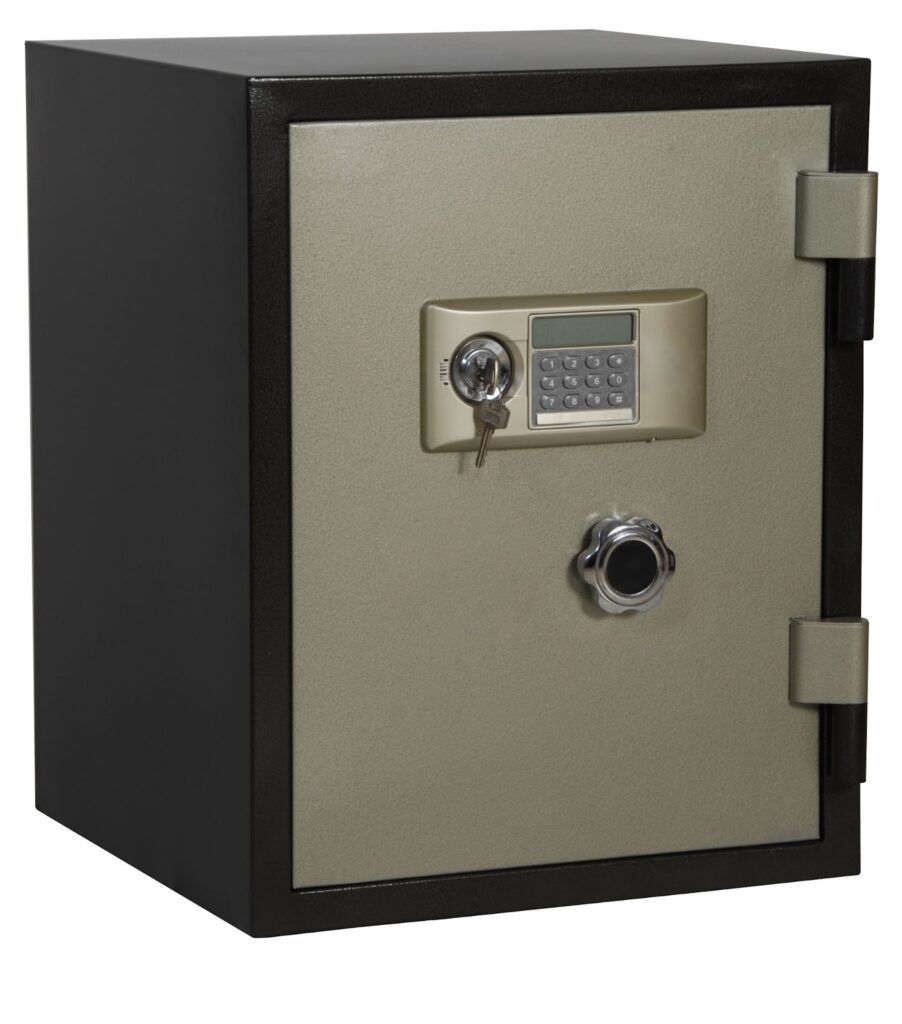
A safe is a secure, specially constructed storage unit that protects valuable items from theft, fire, water damage, tampering, and unauthorized access. Unlike typical drawers, boxes, or cabinets, safes are designed to withstand extreme forces. They are built with heavy steel, reinforced doors, locking bolts, fire insulation, and anti-pry features that keep valuables protected even in the worst conditions.
Safes offer protection against multiple threats at once
A good safe can protect you from:
- Burglary and break-ins
- Accidental fires
- Flooding, leaks, and water exposure
- Curious children or unauthorized adults
- Misplacement or accidental damage
- Tampering by employees or visitors
Most people assume the biggest threat is burglary. But many safes are purchased because of fire or water damage, which occurs far more often than break-ins. In apartments, small homes, and city buildings, fires spread quickly and water damage from sprinklers or burst pipes is common.
Modern safes are built for everyday life
Years ago, safes were seen as something only banks or wealthy families used. Today, safes are built for regular people—parents who want to store documents, small business owners who want to protect client information, online sellers who want secure storage, or homeowners who want to lock up jewelry and cash.
Safes now come in different sizes, price ranges, security levels, and designs—meaning there is an option for every need and budget.
A safe isn’t a luxury. It’s a tool for security, organization, and peace of mind.
Top Reasons You Need a Safe in Your Home or Business
People buy safes for many reasons, but they all relate to the same goal: protecting what matters. Below are the top reasons you should consider investing in a safe.
1. Protection From Fire and Water Damage
Most people store important papers in drawers, filing cabinets, folders, or envelopes. These offer zero protection during emergencies. If a fire spreads, temperatures inside a room can exceed 1,200°F. Paper begins to burn at around 451°F.
Fireproof and fire-burglary safes keep the inside temperature low enough to protect paper documents, photographs, and digital items during intense heat.
Examples of documents commonly damaged in fires include:
- Property titles and deeds
- Passports and IDs
- Social Security cards
- Birth, marriage, and death certificates
- Wills, trust documents, and legal files
- Tax records and financial statements
- School records and certificates
Water damage is just as devastating. Water from sprinklers, firefighting hoses, burst pipes, or flooding can instantly destroy documents and electronics.
A fireproof safe with water resistance ensures your documents stay intact no matter what happens.
2. Protection From Burglary and Theft
Even in relatively safe neighborhoods, theft happens. Many burglars spend less than 90 seconds searching a home. They target small, high-value items that are easy to grab, such as:
- Jewelry
- Watches
- Cash
- Collectibles
- Small electronics
- Precious metals
- Designer goods
A burglary safe is specifically designed to resist forced entry using:
- Drill-resistant steel
- Thick solid walls
- Reinforced locking bolts
- Pry-resistant doors
- Hard plate steel barriers
- Heavy-weight construction
Even a small safe, if properly anchored, makes it extremely difficult for thieves to gain access or remove it from your home.
3. Firearm Safety and Legal Compliance
If you own firearms of any kind—whether a single handgun or a full collection—a gun safe is essential. Firearm accidents often happen because guns are not properly stored. Gun safes prevent children, teenagers, guests, or intruders from accessing your weapons.
Gun safes protect:
- Handguns
- Long guns
- Ammunition
- Accessories
- Magazines
Many states have specific laws about firearm storage. A gun safe helps homeowners comply with these regulations while keeping households safe.
4. Protection From Curious Children
Children are naturally curious. They open drawers, look through closets, and explore things they shouldn’t. A safe prevents children from accessing:
- Medications
- Sharp tools
- Cigarettes or vapes
- Firearms
- Jewelry
- Cash
- Important paperwork
- Electronic files
- Sensitive documents
A safe protects both your valuables and the safety of your children.
5. Organized Storage You Can Always Depend On
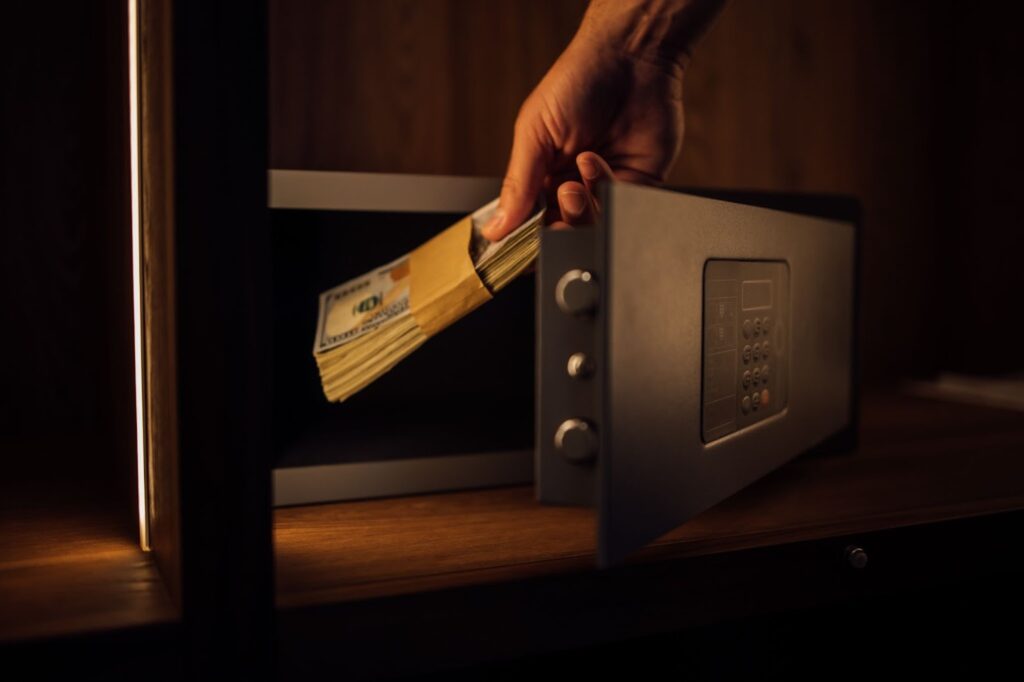
A safe doesn’t only protect—it also organizes.
Most people lose valuables not because of theft but because they simply misplace them. A safe creates one central location for storing everything important, which prevents clutter and confusion.
A safe helps you organize:
- Contracts
- Keys
- Small valuables
- Financial information
- USB drives and hard drives
- Personal IDs
- Emergency cash
- Photographs
- Heirlooms
Being organized also means you save time. When you need a document—especially during emergencies—you’ll know exactly where it is.
6. Protection of Business Assets and Operations
Many New York City business owners work from home, use co-working spaces, or manage their operations online. Even so, business items still need physical protection.
A business safe protects:
- Contracts
- Legal agreements
- Client information
- Financial paperwork
- Cash deposits
- Company documents
- Business registration papers
- Access cards and keys
- Backup drives of websites or social media accounts
Losing these documents can disrupt business operations or cause financial and legal problems. A safe ensures continuity—even after unexpected events.
7. Protection of Digital and Electronic Media
Many people assume digital items are safer because they’re “backed up online,” but digital media is extremely sensitive to heat and moisture.
Important digital items include:
- Flash drives
- External hard drives
- SD cards
- Cameras
- Laptops
- Phones
- Backup drives with website content or business data
- Digital copies of legal documents
Not all safes protect digital media, so you must choose a safe specifically rated for electronic storage.
8. Protection of Sentimental and Irreplaceable Items
While insurance can cover some losses, emotional items cannot be replaced. Many families use safes to protect:
- Vintage photographs
- Family jewelry
- Personal letters
- Childhood items
- Handwritten journals
- Heirlooms
- Awards and keepsakes
- Cultural or religious items
A safe preserves family history and memories for future generations.
9. Better Insurance Protection
Insurance companies often provide discounts for homes or businesses with certified safes. Even when they don’t, a safe simplifies insurance claims because your documents—records, receipts, IDs—remain intact after an incident.
A safe strengthens both your security and your financial protection.
10. Emergency Readiness
During emergencies—fires, medical crises, evacuations, natural disasters—people often panic and lose track of what they need. A safe becomes your “go-to spot” for essential items.
Items that should always be ready in a safe:
- Passports
- Medical details
- Emergency cash
- Insurance documents
- Contact information
- Personal IDs
When emergencies happen, you don’t have time to search through drawers. A safe gives instant access to what matters most.
Choosing the Right Safe: Key Factors to Consider
Understanding why you need a safe makes the buying process easier. However, choosing the right one still takes careful thought.
Consider the following factors:
1. What you plan to protect: Different items require different protection levels.
2. Fire rating: The safe should keep the interior below 350°F for at least 30 minutes—but ideally 1–2 hours.
3. Burglary protection level: Look for solid steel construction, anti-pry features, and bolt-down options.
4. Size and capacity: Safes fill up quickly. Choose bigger than you think you need.
5. Locking system: Choose from digital keypads, mechanical dials, biometric locks, or key locks.
6. Water resistance: Especially important in apartments, basements, and office buildings.
7. Installation location: Safes perform best when hidden and securely anchored.
8. Budget: Safes are available at many price points—and Alpine Safes offers extraordinary sale prices.
How Can Alpine Safes Help You
Alpine Safes takes the confusion and stress out of choosing a safe. As a trusted online retailer serving New York City and beyond, we provide high-quality safes at competitive prices—along with expert guidance so you always make the right choice. Contact us today for a free consultation.
Here’s what Alpine Safes offers:
- A wide selection of safes: From burglary safes to home safes, fire safes, business safes, gun safes, and more—we offer all types at unbeatable prices.
- Expert support and guidance: Our team helps customers select the perfect safe based on their valuables, home setup, and security concerns.
- Affordable sale pricing: We offer top-rated safes at extraordinary discounts so anyone can afford secure storage.
- Fast and secure shipping: Your safe arrives quickly, safely, and ready for installation.
- Long-term customer support: We assist before, during, and after your purchase. You’re never left guessing.
Your valuables deserve real protection. Alpine Safes makes it easy.
Ready to invest in a safe and protect what matters most?
Explore Alpine Safes today and secure your home or business with confidence.
Frequently Asked Questions
Where is the best place to install a safe in a home for maximum security?
The safest locations are areas that are out of sight and structurally strong, such as inside a closet floor, behind built-in shelving, or anchored into a concrete foundation.
Can a safe be opened if the batteries die in an electronic lock?
Yes, electronic safes typically have an emergency key override or an external power connection port that allows you to open the safe even when the internal batteries fail.
How often should a home safe be serviced or checked?
A safe should be inspected every 1–2 years to ensure the lock, bolts, and hinges are working smoothly and to identify early signs of wear or damage.
Is it possible for a safe to be too heavy for a second-floor installation?
Most residential safes can be installed on upper floors, but heavier models may require professional evaluation to ensure the floor structure can support the weight safely.