




Types of Safes for Home Use: Which One Is Right for Your Needs?
Choosing the right safe for your home can feel like navigating a maze—every product looks strong, every brand claims to be “the best,” and every feature sounds important. But the truth is, not all safes protect you in the same way. Some are built mainly for fire protection, others are designed to stop burglars, and some do a little bit of everything. When you open an online store and see dozens of options, it’s easy to feel lost or overwhelmed. Many homeowners don’t even know where to start, and that’s completely normal.
This confusion becomes even more overwhelming for people who are building an online presence—whether they run a small business, create content, or simply want to share home tips and advice. Your audience looks at what you use, and your choices reflect the kind of person you are. Using a poorly chosen safe doesn’t just put your valuables at risk; it also affects the way people perceive your professionalism, responsibility, and preparedness. On the other hand, choosing a strong, reliable safe makes you look organized, security-minded, and trustworthy.
That’s why understanding the types of safes for home use matters so much. When you clearly understand how each safe works, what it protects against, and what situation it’s best for, the decision becomes simple and stress-free. This guide explains each type of home safe in a friendly, easy way so you can confidently choose the one that fits your needs—whether you’re securing important papers, jewelry, cash, firearms, or precious family items.
What Are the Different Types of Safes for Home Use?
Home safes come in different shapes, sizes, and construction styles, and each one has a purpose. Some are made to survive fires, some are designed to resist break-ins, and others are intended to hide valuables discreetly. Understanding these differences helps homeowners avoid buying a safe that fails to perform in real-world emergencies.
The sections below explain each type of safe in detail, including what they protect, what makes them unique, and who they’re best suited for.
1. Fire Safes
Fire safes are specifically designed to keep the inside temperature low during a house fire. Since paper burns at around 451°F and house fires often exceed 1,200°F, regular safes are not enough to protect important documents. Fire safes use layers of insulation to slow down heat transfer, giving your items a chance to survive until the fire is extinguished.
Best for:
- Birth certificates
- Passports and immigration papers
- Marriage certificates and legal documents
- Family photos and sentimental items
- USB drives and backup storage
- Emergency cash
What makes fire safes unique?
Fire safes contain special fire-resistant materials that absorb heat and moisture. They’re tested using independent fire ratings such as:
- 30 minutes at 1200°F — basic protection
- 60 minutes at 1400°F — recommended for most households
- 90 minutes at 1700°F — ideal for people living far from fire stations
The insulation inside fire safes often expands when heated, creating a barrier that keeps flames and smoke away. Fire safes may not have the thickest steel walls, but they shine when it comes to temperature control. For anyone worried about losing irreplaceable documents, this is the go-to safe.
2. Burglary Safes
Burglary safes are built to resist forced entry. They use thick steel doors, heavy bodies, strong bolts, and reinforced structures to keep thieves out, even when tools are involved. While these safes may not always have high fire ratings, they excel at one thing: stopping criminals.
Best for:
- Jewelry and diamonds
- Luxury watches
- Gold, silver, and precious metals
- High-value collectibles
- Cash bundles
- Rare items
What makes burglary safes unique?
Burglary safes are built with strength in mind. Their doors are thick and heavy, bolts extend deep into the frame, and steel plates protect the locking mechanism from drilling and cutting. Many include:
- anti-pry door frames
- relocking devices that activate during attacks
- drill-resistant hard plates
- thick steel walls (often 1/2 inch or more)
Some burglary safes are rated using tests such as B-Rate, C-Rate, or UL RSC, which measure how well they withstand break-ins using professional tools. These safes provide peace of mind for homeowners storing items that burglars specifically target.
3. Fire-Burglary Safes
Fire-burglary safes combine strong steel construction with specialized insulation, making them ideal for protecting valuables from both flames and theft. They’re great for people who want one safe that covers multiple risks without needing separate products.
Best for:
- Documents AND jewelry
- Cash AND personal records
- Photos AND valuables
- Mixed collections
- Small electronics
What makes fire-burglary safes unique?
These safes have thicker bodies than standard fire safes, but they also include internal fire insulation. They are a balanced choice for homeowners who want solid burglary resistance without sacrificing fire protection. Many models include:
- 60–120 minute fire ratings
- heavy steel doors
- multi-point bolt systems
- anti-tamper features
They are especially useful for families or homeowners who want one reliable safe instead of juggling multiple specialized ones.
4. Home Safes (General Purpose Safes)
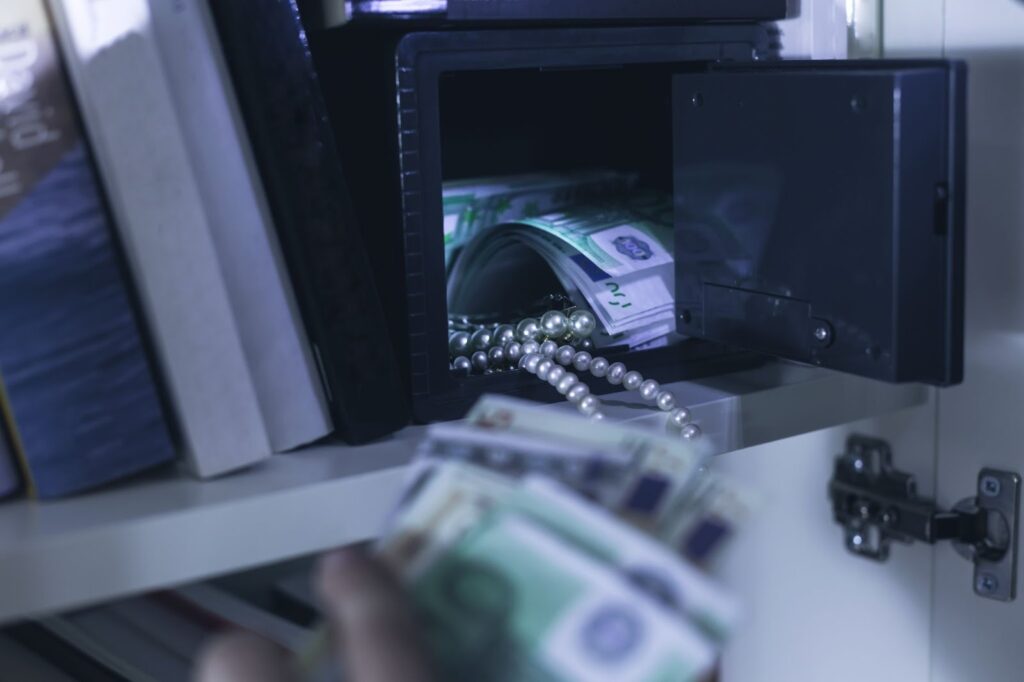
Home safes are versatile safes designed for everyday personal use. They’re usually smaller than full-sized burglary or fire safes, making them a great choice for storing items you use regularly but still want securely protected. They’re easy to place in closets, bedrooms, and small spaces.
Best for:
- Spare cash
- Medication
- Personal papers
- Car keys
- External hard drives
- Small keepsakes and sentimental items
What makes home safes unique?
Home safes are built for convenience, not extreme protection. They’re great for light security and occasional use. Many come with:
- electronic keypads
- manual key override
- removable shelves
- bolt-down hardware
- compact, lightweight bodies
These safes are ideal for families or individuals looking for a simple way to secure personal items without needing heavy protection.
5. Gun Safes
Gun safes are designed to store firearms responsibly, preventing unauthorized access while also protecting the firearms from theft or fire damage. They are essential for gun owners who want to comply with safety rules and protect their family.
Best for:
- Handguns
- Rifles and shotguns
- Ammunition
- Scopes and accessories
- Concealed carry firearms
What makes gun safes unique?
Gun safes often include:
- adjustable rifle racks
- interior shelving
- soft-foam liners to protect firearms
- biometric (fingerprint) locks for fast access
- thick steel bodies
- 60+ minute fire ratings
Some are large enough to store entire collections, while others are compact and designed for quick bedside access. Gun safes are the safest and most responsible way to store firearms at home.
6. Wall Safes
Wall safes are installed between wall studs and can be hidden behind paintings, shelves, mirrors, or furniture. Their main purpose is concealment—they’re not always the strongest safes, but thieves can’t steal what they can’t find.
Best for:
- Cash
- Documents
- Small jewelry
- Personal items you want hidden
What makes wall safes unique?
Wall safes offer excellent convenience. They’re easy to access, well-hidden, and perfect for storing items you want nearby but out of sight. While they don’t have the thickest steel bodies, their secret placement adds a valuable layer of security. Many homeowners choose them for lightweight valuables or emergency items.
7. Floor Safes
Floor safes are installed directly into the ground, usually surrounded by concrete. They are extremely difficult to remove, making them one of the best options for high-value theft protection.
Best for:
- Large amounts of cash
- Jewelry
- Gold bars or coins
- Important documents
- Long-term storage of high-value items
What makes floor safes unique?
Floor safes are known for:
- exceptional concealment beneath carpet or flooring
- strong protection against prying and forced entry
- heavy-duty steel
- boltwork protected inside the foundation
However, they may not offer the best fire protection unless specifically insulated. Their biggest strength is that burglars cannot easily access or remove them.
8. Depository Safes (Drop Safes)
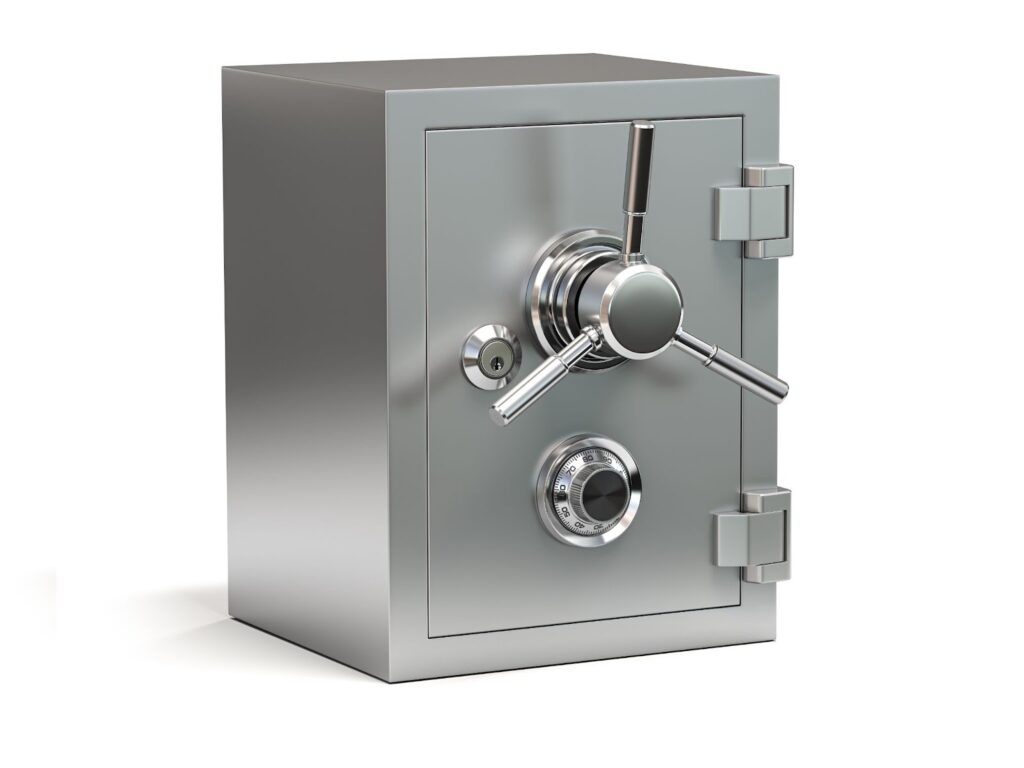
Depository safes, or drop safes, allow users to place cash and envelopes into the safe without opening the main door. While they’re commonly used in businesses, they’re also useful for homeowners who handle regular cash flow.
Best for:
- Cash deposits
- Rent collection
- Storing envelopes or payments
- Temporary secure storage
What makes depository safes unique?
Depository safes include a slot, chute, or rotating drop drum that allows quick deposits while keeping the internal compartment locked. This ensures cash stays secure, even if someone else uses the safe for drops. They’re perfect for homeowners with home-based businesses or frequent deliveries.
9. Portable Safes
Portable safes are lightweight, compact, and easy to carry—ideal for storing small items temporarily or while traveling. They’re not meant to replace a full-size safe but serve as a convenient and affordable option for short-term protection.
Best for:
- Traveling
- Hotel stays
- Car use
- Storing small electronics
- Keeping valuables close during trips
What makes portable safes unique?
Portable safes are built with mobility in mind. Many include:
- steel cables to attach to fixed objects
- combination or digital locks
- impact-resistant shells
- small interiors for essential items
They offer basic protection wherever you go.
Which Safe Is Right for You?
Choosing the right safe depends on what you’re protecting and what threats matter most. Ask yourself:
- Do I need fire protection, theft protection, or both?
- What items do I reach for most often?
- How much space do I have at home?
- Do I want the safe to be hidden, heavy, or portable?
- How much security do my valuables require?
Understanding your priorities makes the decision clear and ensures you choose a safe that meets your everyday needs.
How Can Alpine Safes Help You?
Alpine Safes is your trusted partner for high-quality home protection. As a leading online store for safes in New York City, Alpine Safes offers fire safes, burglary safes, gun safes, floor safes, wall safes, home safes, and more—at extraordinary sale prices. Whether you’re securing important documents, jewelry, firearms, or family heirlooms, Alpine Safes helps you choose the perfect model with confidence.
At Alpine Safes, you get:
- Access to the best safe brands at competitive prices
- Expert guidance tailored to your home and needs
- Fire-rated and burglary-rated options for every budget
- Fast and secure nationwide shipping
- Friendly support from real safe specialists
Protect what matters most. Choose the right safe. Choose Alpine Safes. Contact us today.
Frequently Asked Questions
Where is the safest place to install a home safe?
The safest location is typically a low-traffic, interior area like a closet on the first floor or basement, where the safe is harder to find and better protected from fire damage. Avoid garages and attics because they often experience higher temperatures.
Do home safes need to be anchored to the floor or wall?
Yes. Anchoring greatly improves burglary resistance by preventing thieves from tipping or carrying the safe away, even if the safe is heavy.
How long do home safes usually last?
A high-quality safe can last decades with proper care, but electronic locks may need battery changes and occasional servicing to maintain reliability.
Can I store digital media like USBs or hard drives in any home safe?
Not all safes protect digital media, which can be damaged at lower temperatures than paper. For electronics, choose a safe specifically rated for media protection.