




Safe Security Features to Look For: What You Need in a Modern Safe
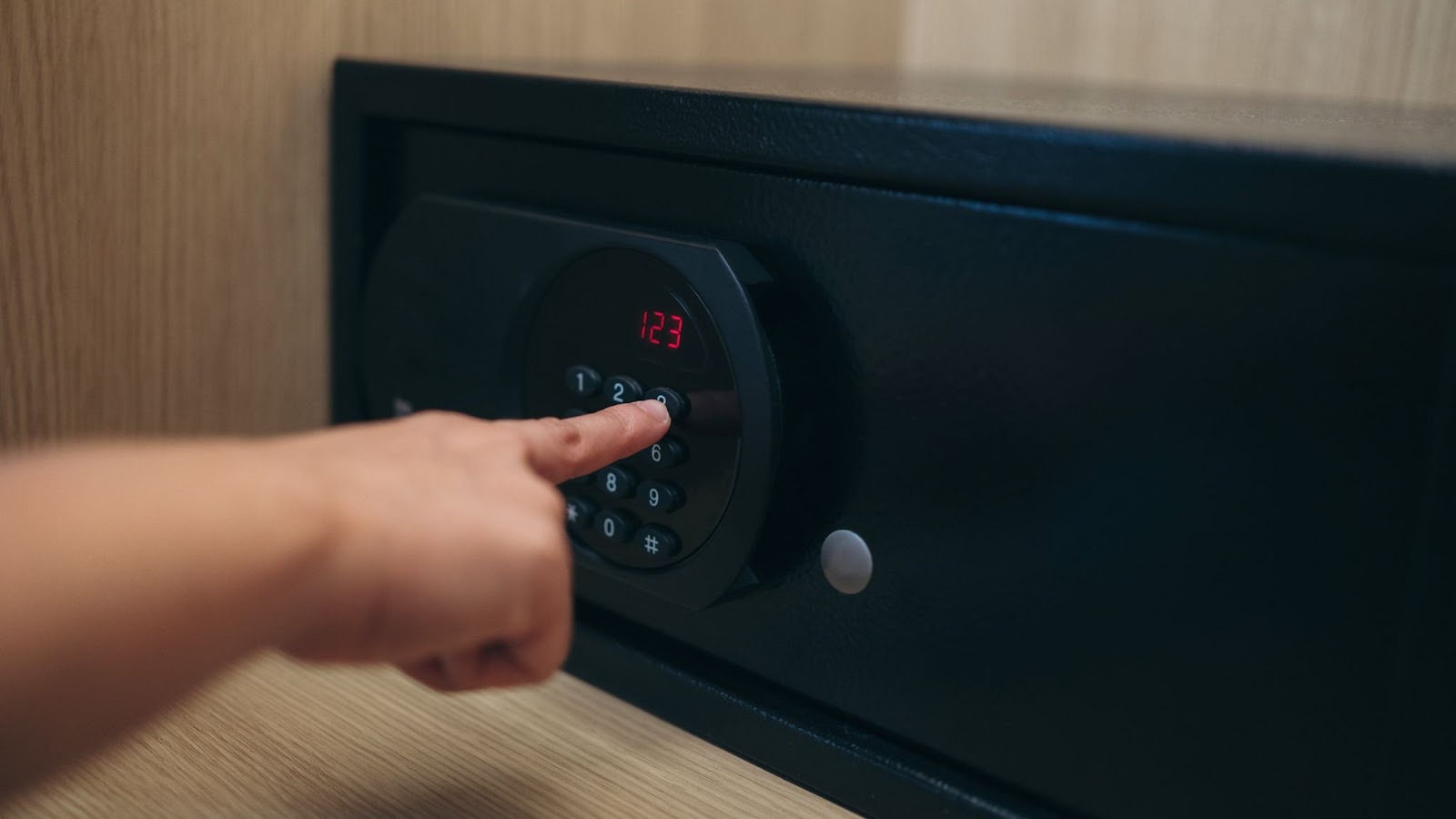
People often underestimate how advanced modern safes have become. Many still imagine a traditional steel box with a keyhole and thick door. But today’s threats—fast burglaries, intense house fires, digital security concerns, and the increasing value of both physical and digital assets—require safes that are smarter, tougher, and built with multiple layers of protection. That is why learning the safe security features to look for is not just helpful; it’s essential.
A surprising number of homeowners and business owners feel completely lost when shopping for a safe. Some don’t know where to begin, while others get overwhelmed by the long list of options: fire ratings, burglary ratings, lock types, steel gauges, relocking devices, smart features, bolt-down holes, and more. Without guidance, they risk buying a safe that only looks secure—but fails when it matters most.
Understanding the most important security features makes the buying process easier, smarter, and stress-free. Once people know what makes a safe genuinely protective—and not just decorative—they can confidently choose a model that matches their needs. Whether someone wants to secure family documents, business cash, firearms, jewelry, digital media, or personal collections, these features help determine the right safe for true peace of mind.
1. Solid Steel Construction: The First and Strongest Line of Defense
When evaluating safes, steel construction is one of the most critical safe security features to look for. Not all steel is created equal, and some safes on the market cut corners by using thin metal sheets disguised as heavy-duty material.
Why Steel Thickness Matters
A safe built with thin steel can be easily bent, drilled, or pried open. Burglars today use tools such as pry bars, screwdrivers, power drills, angle grinders, and even compact cutting tools. The only real defense against these tools is thick, high-quality steel.
Key Construction Elements to Look For
- Door Thickness: A strong safe typically has a door between ¼ inch to 1 inch thick. Thicker doors make it extremely hard for intruders to force their way inside.
- Body Thickness: A quality safe should have reinforced steel walls. A safe made from weak sheet metal may keep children out but won’t stop a determined burglar.
- Continuous Welds: Look for safes with seamless, full perimeter welds instead of spot welds. Continuous welds add significant structural strength.
- Reinforced Door Frames: These prevent prying attacks and bending attempts.
The strongest safes combine thick steel with heavy-duty engineering, ensuring durability under both burglary attempts and extreme conditions like fire.
2. Advanced Locking Mechanisms: The Technology Behind Secure Access
If the steel is the safe’s body, the lock is the heart. A safe is only as secure as the lock that controls entry. Modern safes offer multiple lock types, each with specific strengths and advantages depending on the user’s lifestyle and security needs.
Digital Electronic Locks
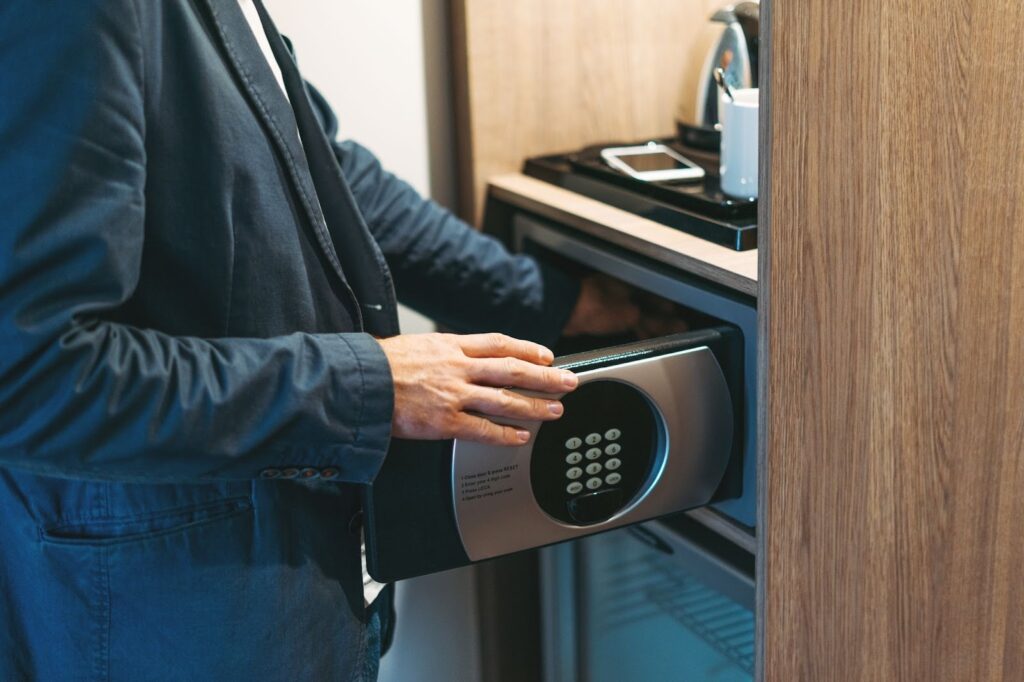
These are among the most popular today due to their convenience and speed. High-quality digital locks offer:
- Programmable user codes
- Time-delay functions for business use
- Wrong-entry lockout, which freezes the safe after too many incorrect attempts
- Low-battery alerts
- Tamper-resistant designs
They’re ideal for homeowners who want easy access without carrying a key.
Mechanical Dial Locks
These classic locks are extremely durable and nearly impossible to hack electronically because they have no electronics at all. People choose them for their:
- Long lifespan
- Reliability even during power outages
- Consistency in performance over decades
They require more time to open but offer unmatched long-term dependability.
Biometric Locks
These use fingerprint scanning technology and are rising in popularity. Their benefits include:
- Instant access
- No need for keys or memorized codes
- Ability to store multiple users’ fingerprints
- Fast operation during emergencies
Gun owners especially appreciate biometric locks for quick, secure access.
Dual-Lock Systems
Some advanced safes combine two lock types—for example, digital + key or biometric + mechanical. This adds a layer of redundancy for enhanced security.
3. Fire Protection Rating: A Non-Negotiable Feature for Modern Safes
Fire is one of the most devastating threats to valuables. A strong burglary safe is not automatically fireproof, so consumers must check the fire rating before making a purchase.
What Fire Ratings Measure
Fire ratings tell how long a safe can protect its contents during a fire. Look for:
- 30–60 minutes at 1,200°F for basic home protection
- 60–90 minutes for important documents
- Up to 120 minutes for businesses storing contracts, inventory records, or money
Why Fire Protection Matters
During a fire:
- Metal can warp
- Plastic melts instantly
- Paper ignites at around 451°F
- Hard drives and electronics fail within minutes
A fire-rated safe uses:
- Insulation layers
- Fire-resistant seals
- Expanding door gaskets that seal shut during heat exposure
These details make the difference between total loss and full recovery after a fire.
4. Burglary Rating: Verified Strength and Proven Resistance
Burglary ratings are one of the most important—but often misunderstood—safe security features to look for. Ratings from UL (Underwriters Laboratories) indicate that a safe has passed rigorous testing.
Common Burglary Ratings Explained
- RSC (Residential Security Container): Basic household protection. Resists common household tools for a limited amount of time.
- B-Rate: Generally ¼-inch steel door with solid steel body. Offers strong protection for cash, jewelry, and everyday valuables.
- C-Rate: Higher protection with a ½-inch steel door and thicker walls.
- TL-15 and TL-30: High-security ratings. Safes with these labels are tested by experts who try to break in using power tools, drills, and cutting equipment for 15 or 30 minutes.
A higher rating means significantly more protection. Businesses, jewelry collectors, and gun owners especially benefit from TL-rated safes.
5. Relocking Mechanisms: Hidden Defenders Inside Your Safe
A relocker is like a secret backup bodyguard inside your safe. It is designed to activate when someone tampers with the lock.
How Relockers Work
When a burglar drills into the lock or tries to punch it out, the relocking device automatically fires and locks the bolts into place. Once triggered, the safe becomes extremely difficult to open—even with the original key or code.
Types of Relockers
- Mechanical relockers – Triggered by physical tampering
- Glass relockers – Break upon impact, locking the safe permanently
- Thermal relockers – Triggered by extreme heat
Relockers are essential in burglary-rated safes and add layers of security that basic safes simply do not offer.
6. Bolt-Down Holes: Preventing Thieves From Stealing the Entire Safe
When burglars cannot break into a safe quickly, they look for the next best option—taking the entire safe with them. That’s why most modern safes come with bolt-down holes for anchoring them securely to the floor.
Why Bolting Down Matters
- Prevents criminals from removing the safe
- Adds structural stability
- Protects your investment
- Often required for warranty coverage
The strongest safes combine heavy weight with bolt-down capability, making them nearly impossible to move.
7. Live Bolts, Deadbolts, and Multi-Sided Bolting Systems
The quality of the safe’s door bolts determines how difficult it is for an intruder to pry the door open. Modern safes use thick, solid-steel bolts to lock the door tightly against the frame.
Key Bolting Features
- Live bolts: Move with the lock and secure the door when activated
- Deadbolts: Permanently fixed and add additional resistance
- Top, bottom, and side bolts: Prevent prying from any angle
- Thicker bolts: Typically 1” to 1.5” diameter for maximum strength
A safe with bolts on only one side is easier to pry open. The best models use multi-directional bolting systems to resist attack from all sides.
8. Interior Organization: Making Security Practical and Convenient
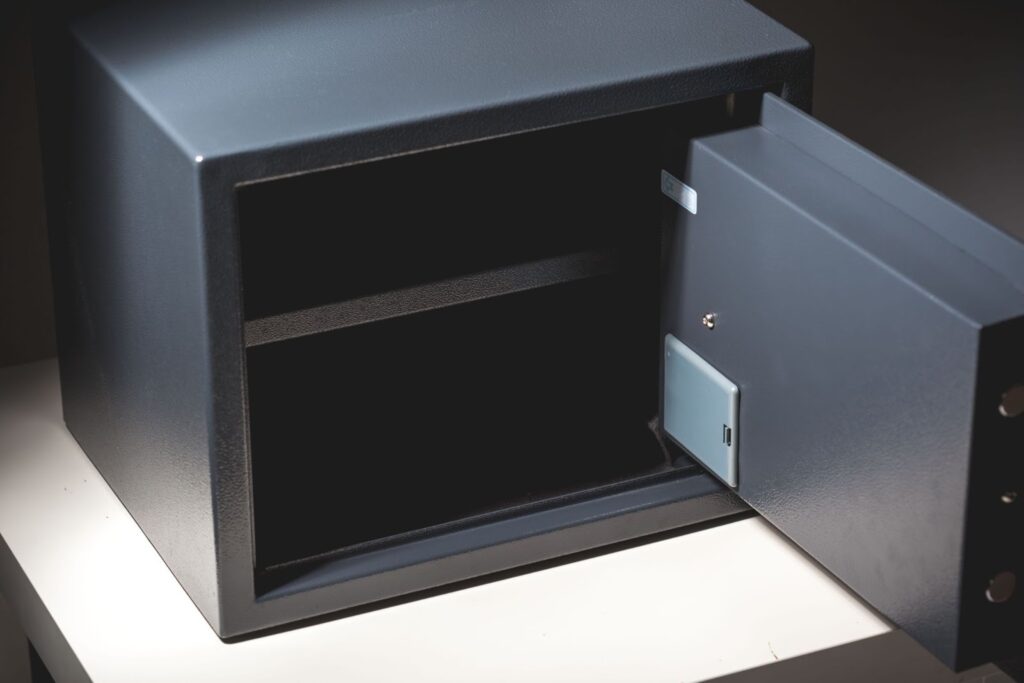
A modern safe isn’t just about protection—it should also make storing items easy and organized. A poorly designed interior leads to clutter, damage, and wasted space.
Interior Features to Look For
- Adjustable shelves
- Soft felt lining
- Pull-out drawers
- Fire-resistant document compartments
- Gun racks or pistol pockets
- LED interior lighting
- Door organizers
These features help users keep items neat and accessible, especially in safes used daily.
9. Moisture and Humidity Protection: Essential for Long-Term Storage
Many people don’t consider moisture damage until it’s too late. Safes that trap humidity can ruin:
- Documents
- Electronics
- Photos
- Cash
- Firearms
Moisture-Control Solutions in Modern Safes
- Built-in dehumidifier ports
- Dry packs or silica gel canisters
- Electric dehumidifier rods
- Airtight fire seals
- Ventilation-enhancing construction
For gun owners and collectors, moisture control is one of the most important—but often overlooked—safe security features to look for.
10. Smart Features and Modern Technology: The Future of Safe Security
The newest safes are integrating technology to improve access control, monitoring, and user management.
Popular Smart Features
- Bluetooth or app-based access
- Audit logs showing who opened the safe and when
- Time-delay settings to reduce robbery risks in stores
- Dual-user verification for business accountability
- Automatic lockout after failed attempts
- Fire and intrusion alerts on connected models
These features bring safes into the modern century, combining physical and digital security for maximum protection.
How Can Alpine Safes Help You
Selecting the right safe can feel confusing, especially with so many features, ratings, and options to choose from. Alpine Safes makes the process simple. As one of New York City’s most trusted online stores for burglary safes, fire safes, gun safes, business safes, and home safes, Alpine Safes provides expert guidance every step of the way.
Their team helps customers understand exactly which safe security features to look for, based on what they want to protect and where the safe will be used. With reliable brands, competitive pricing, and fast, friendly service, Alpine Safes ensures customers don’t settle for the wrong safe—or the wrong level of protection.
Whether someone needs a safe for their home, business, office, or personal collection, Alpine Safes is committed to helping them secure what matters most. Contact us today for a free consultation.
Frequently Asked Questions
How long do home safes usually last?
A high-quality safe can last for decades if it’s properly maintained and kept in a stable environment. Mechanical locks often last longer than digital ones because they have no electronic parts.
Can a safe be too heavy for a second floor?
Yes, very large or high-security safes can exceed safe weight limits for upper floors. It’s best to check your home’s structural capacity or consult a contractor before installation.
Do insurance companies require a certain type of safe?
Some insurers require a safe with a specific burglary rating, especially for valuable jewelry or business cash. Having a higher-rated safe may also lower insurance premiums.
Should I hide my safe even if it’s already secure?
Yes, hiding a safe adds an extra layer of protection by reducing the chance of criminals discovering it. Concealment slows down intruders and increases the safe’s overall security.