




How to Choose a Safe: A Complete Guide to Finding the Right One for You
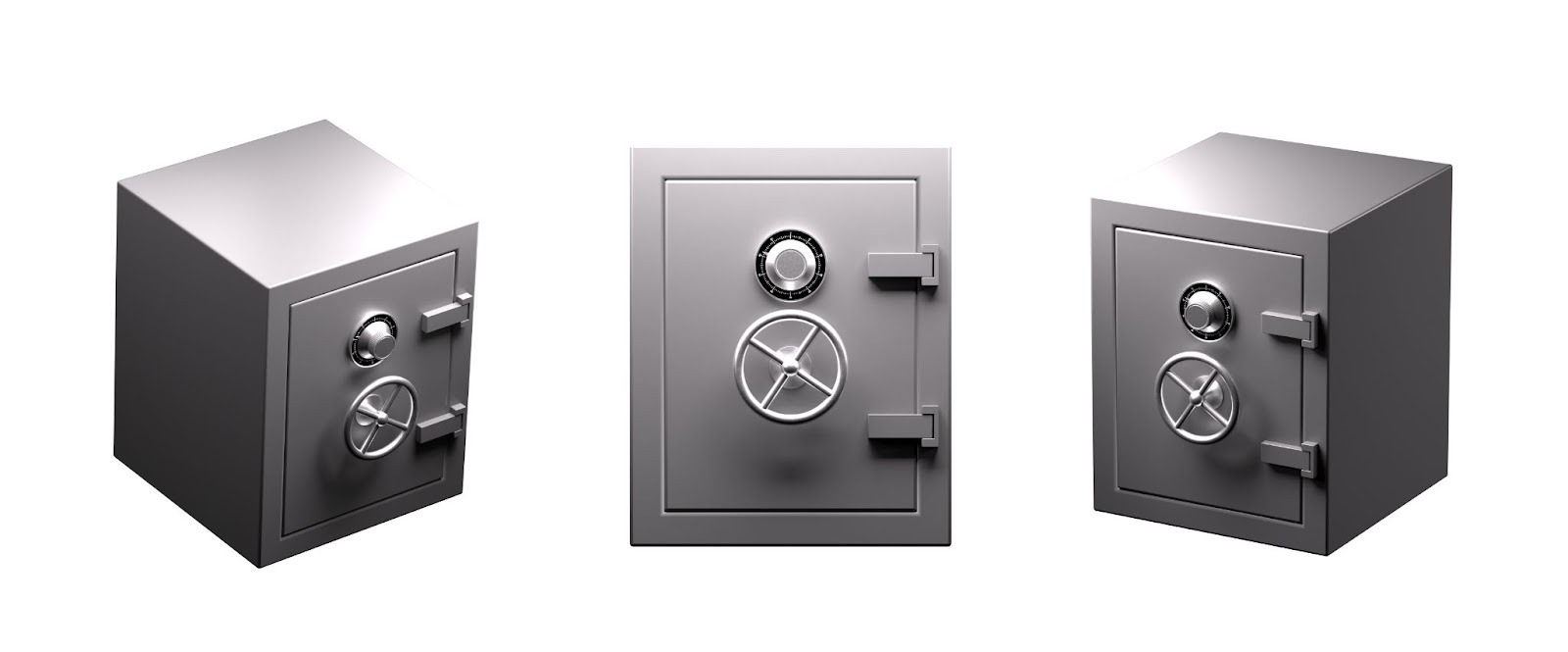
Finding the right safe can feel overwhelming, especially when every brand claims to offer the “best protection” or the “toughest build.” Many people don’t realize how different safes really are until they start shopping—then suddenly they’re faced with decisions about fire ratings, burglary ratings, steel thickness, lock types, sizes, and installation methods. If you’ve ever opened a website, scrolled through options, and felt lost, confused, or completely unsure of where to start, you’re experiencing what most first-time buyers feel.
This confusion gets even more challenging for small business owners, entrepreneurs, and online creators trying to build their brand. When you’re giving advice to an audience—whether through YouTube, TikTok, Facebook, or your own website—your credibility depends on the choices you make. If you recommend or use a weak, low-quality safe, it doesn’t only jeopardize your valuables; it also affects your reputation. A high-quality safe is more than storage—it reflects responsibility, professionalism, and smart decision-making.
That is exactly why learning how to choose a safe is so important. You don’t need to be a locksmith or a security expert to understand it. You just need clear explanations and guidance that cuts through the noise. This guide breaks down the entire process in simple terms so anyone—yes, even an 8th grader—can understand how to choose the right safe with confidence.
What Does “Choosing a Safe” Really Mean?
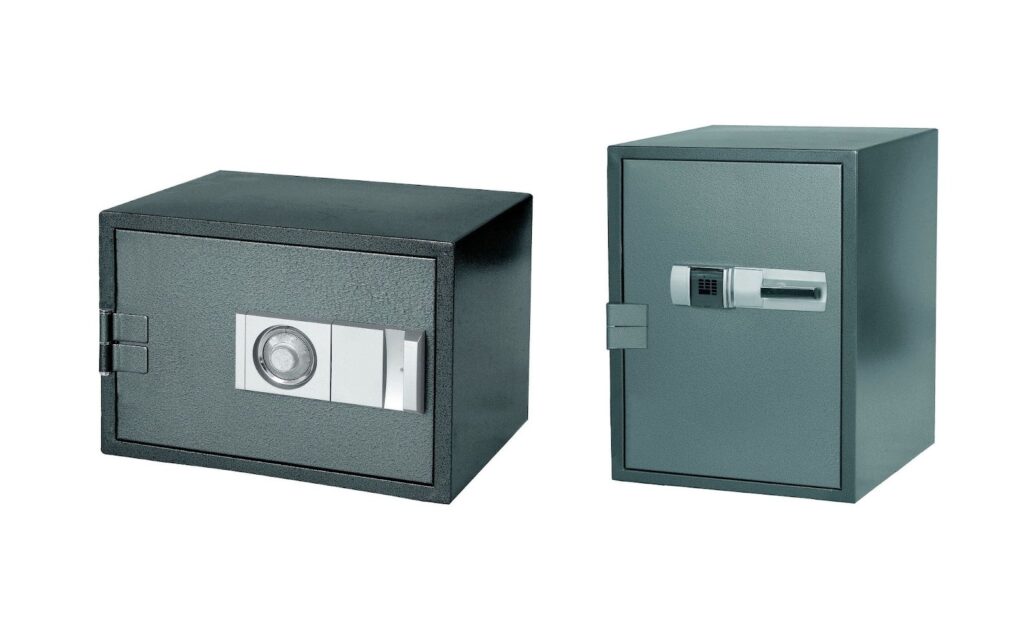
Most people think choosing a safe is about picking the strongest or biggest one, but it’s much deeper than that. A safe is designed around a purpose. Some safes protect from fire, others protect from burglary, and some protect from both. Some are meant for quick access, while others are built for long-term secure storage. Some are for homes, others for businesses. That means the “best safe” depends entirely on what YOU need.
When choosing a safe, you’re really deciding:
- What items matter most to you
- What dangers those items face
- How often you need access
- How much protection you want to invest in
- Where the safe will be installed
Once you understand these factors, choosing the right safe stops being overwhelming and becomes a logical, step-by-step decision.
Step 1: Identify What You Need to Protect
Every safe purchase starts with identifying what you plan to store. Your items determine the type of protection you need.
Common items people store inside safes:
- Cash, coins, and currency bundles
- Jewelry, watches, gold, and precious metals
- Important documents like birth certificates, passports, vehicle titles, home deeds, and legal records
- Firearms, ammunition, and accessories
- Hard drives, USB drives, memory cards, and backup devices
- Family heirlooms and sentimental keepsakes
- Business records, contracts, receipts, and payroll envelopes
Each type of item has its own vulnerabilities. For example:
- Documents burn easily, so they require a fire-rated safe.
- Jewelry attracts burglars, so theft resistance is essential.
- Electronics can’t handle high heat, so they need special media-rated fire protection.
- Firearms must be both secured and accessible, so a gun safe with smart locking is necessary.
If you skip this step, you risk buying a safe that doesn’t fully protect what you need stored.
Step 2: Decide What Threat You Want Protection From
Every safe fights against one or more threats:
1. Fire
House fires can reach temperatures between 1,200°F and 1,800°F. Paper ignites at around 450°F. Hard drives fail at even lower temperatures. Without a fire-rated safe, important items can be destroyed in minutes.
Choose fire protection if you store:
- documents
- photos
- electronics
- cash
- certificates
2. Burglary
A burglary-graded safe uses thick steel, heavy doors, reinforced bolts, and advanced locking systems to resist:
- drills
- pry bars
- cutters
- hammers
- forced attacks
Choose burglary protection if you store:
- cash
- jewelry
- firearms
- collectibles
- luxury items
3. Fire + Burglary Combined
Many people want both. Dual-protection safes are heavier, stronger, and more versatile.
Best for:
- homeowners
- businesses
- small offices
- content creators with valuable equipment
Understanding the threat helps narrow down your options dramatically.
Step 3: Understand Safe Ratings (Without the Confusion)
Safe ratings help you compare safes using standardized tests. Here’s what they mean in simple terms:
Fire Ratings
Fire ratings tell you how long a safe can keep its interior cool during a fire.
Most common ratings:
- 30 minutes – basic home protection
- 60 minutes – recommended for important documents
- 90 minutes – ideal for higher-risk areas
- 120 minutes – excellent protection for rural homes
- 2–3 hours – commercial-grade fire safes
The longer the rating, the more time firefighters have to extinguish the fire before your valuables are damaged.
Burglary Ratings
These ratings measure how well the safe resists break-in attempts.
Simplified rating guide:
- B-Rated – solid steel, good for home protection
- C-Rated – stronger steel, better burglary resistance
- UL RSC – tested against professional tools for 5 minutes
- TL-15 – can withstand 15 minutes of tool attacks
- TL-30 – withstands 30 minutes
- TLTR – resists both mechanical tools AND torches
For most homeowners, B-Rated or UL RSC is enough.
For businesses, TL-15 or TL-30 is ideal.
Step 4: Choose the Correct Safe Type
Here’s what each safe category does:
1. Fire Safes
Designed to protect documents, photos, and paper.
Insulated walls keep the inside cool even when the outside is burning.
2. Burglary Safes
Thick steel, hardened doors, and anti-pry features protect valuables from thieves.
3. Fire-Burglary Safes
A combination safe that protects from both heat and break-ins.
4. Gun Safes
Tall, spacious, and equipped with rifle racks, shelves, and quick-access locks.
5. Home Safes
Compact and perfect for bedrooms or closets.
6. Office or Business Safes
Designed for cash, records, and high-traffic use.
7. Depository Safes
Allow employees or drivers to drop cash through a slot without opening the safe.
Choosing the right type ensures the safe actually does what you need it to do.
Step 5: Think About Size (Almost Everyone Gets This Wrong!)
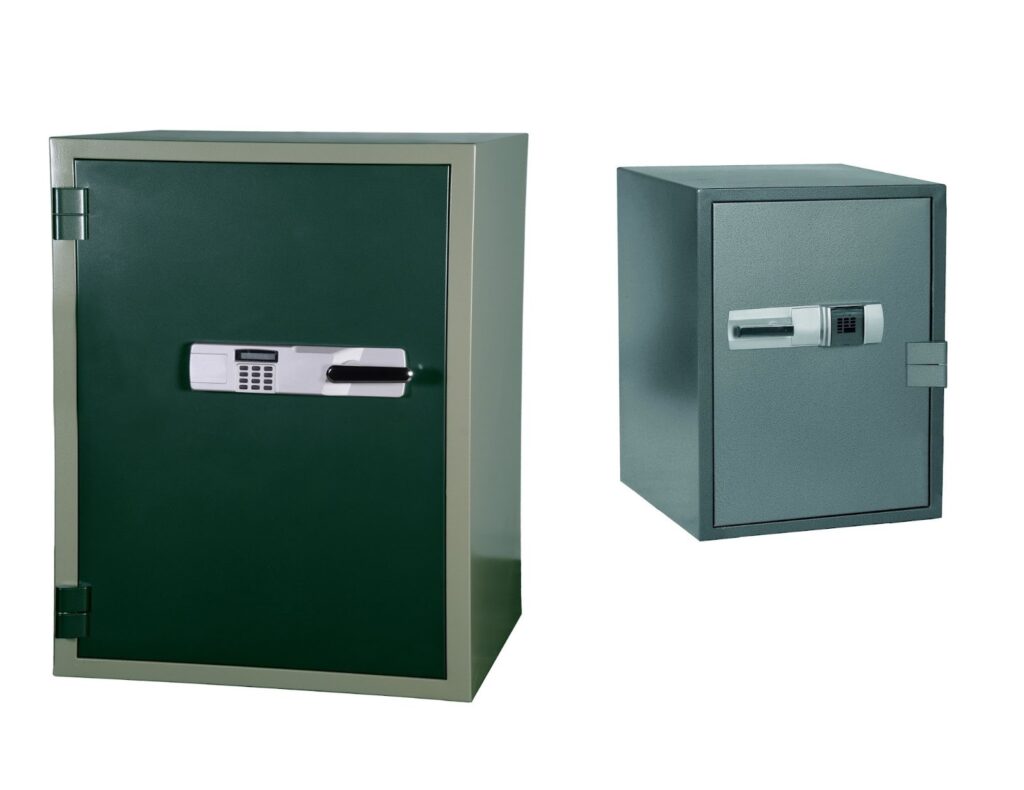
A common mistake is choosing a safe that’s too small. People underestimate how quickly their storage needs grow.
General rule:
Pick a safe at least 1.5 to 2 times bigger than you think you need.
Why?
Because eventually you will want to store:
- new documents
- additional jewelry
- more digital files
- extra cash
- firearms or accessories
- sentimental items
A slightly larger safe saves you from upgrading later.
Step 6: Pay Attention to the Locking System
Your lock determines convenience and safety.
Types of Locks:
1. Mechanical Dial
- Classic
- No batteries
- Very reliable
- Slower access
2. Electronic Keypad
- Fast entry
- Easy code changes
- Runs on batteries
- Most popular choice
3. Biometric (Fingerprint)
- Quick access
- Great for firearm owners
- Modern and convenient
4. Key Lock
- Simple
- Should be paired with another lock
- Key must be secured separately
Your lifestyle determines which lock fits best.
Step 7: Consider Where You Will Install the Safe
Location impacts both performance and safety.
Best home installation areas:
- bedroom closet
- interior walls
- home office
- basement (coolest area in house fires)
- corners of rooms (safer during collapses)
Avoid installing safes in:
- garages (high fire load)
- attics (weak floor support, extreme heat)
- exterior walls (transfer heat faster)
Correct installation is just as important as the safe itself.
Step 8: Don’t Forget About Weight and Construction
Heavier safes are stronger. The weight often reflects:
- thicker steel
- more insulation
- stronger doors
- reinforced locking mechanisms
A heavy safe discourages burglars and stays stable during fires.
Step 9: Look for Extra Features That Matter
Modern safes come with upgrades that improve safety and usability.
Helpful features include:
- interior LED lights
- power outlets
- adjustable shelves
- door organizers
- relocking devices
- pry-resistant designs
- fire-activated expanding seals
- bolt-down holes
These enhancements can significantly affect daily convenience.
Step 10: Avoid the Most Common Safe-Buying Mistakes
Here are the biggest mistakes people make:
Mistake 1: Choosing the cheapest option
Cheap safes cut corners on steel, insulation, and locks.
Mistake 2: Not checking if ratings are certified
Only trust legitimate fire and burglary ratings from UL or ETL.
Mistake 3: Forgetting to measure the interior
The number of “guns” a safe claims to hold is often exaggerated.
Mistake 4: Overlooking humidity
Fire safes trap moisture—use a dehumidifier to protect items.
Mistake 5: Failing to bolt the safe down
An unanchored safe is easy to tip or carry away.
Avoiding these mistakes ensures your safe serves you for decades.
How Can Alpine Safes Help You?
Alpine Safes is trusted across New York City and nationwide for offering high-quality, UL-rated safes at unbeatable prices. Whether you’re securing firearms, documents, jewelry, business cash, or family valuables, Alpine Safes provides expert guidance to help you find the perfect match.
At Alpine Safes, customers get:
- Trusted brands used by homeowners and businesses
- Fire, burglary, gun, and office safes at extraordinary sale prices
- Honest recommendations tailored to your needs
- Fast and secure shipping anywhere in the U.S.
- Knowledgeable support that explains everything clearly
- A wide range of safes for every budget and purpose
Whether you’re a homeowner, business owner, collector, or online creator, Alpine Safes is ready to help you make the smartest security decision possible.
Protect what matters most. Choose a safe with confidence. Choose Alpine Safes. Contact us today.
Frequently Asked Questions
How often should a safe be serviced or maintained?
Most safes should be checked every 1–2 years, especially if they use electronic locks or store high-value items. Regular maintenance ensures the locking mechanism stays reliable.
Can a safe be moved after installation?
Yes, but large or heavy safes may require professional movers to avoid damaging floors, walls, or the safe itself. Always empty the safe before relocating it.
Do safes need ventilation or humidity control?
Fire safes can trap moisture, so it’s recommended to use a dehumidifier rod or silica packs inside to protect documents, guns, and electronics from humidity damage.
Will installing a safe lower my home insurance costs?
Some insurance companies offer discounts for certified burglary-rated safes or for securing high-value items, but it depends on the provider and policy. It’s best to ask your insurer directly.