



Posted on Leave a comment

Safe Security Features to Look For: What You Need in a Modern Safe
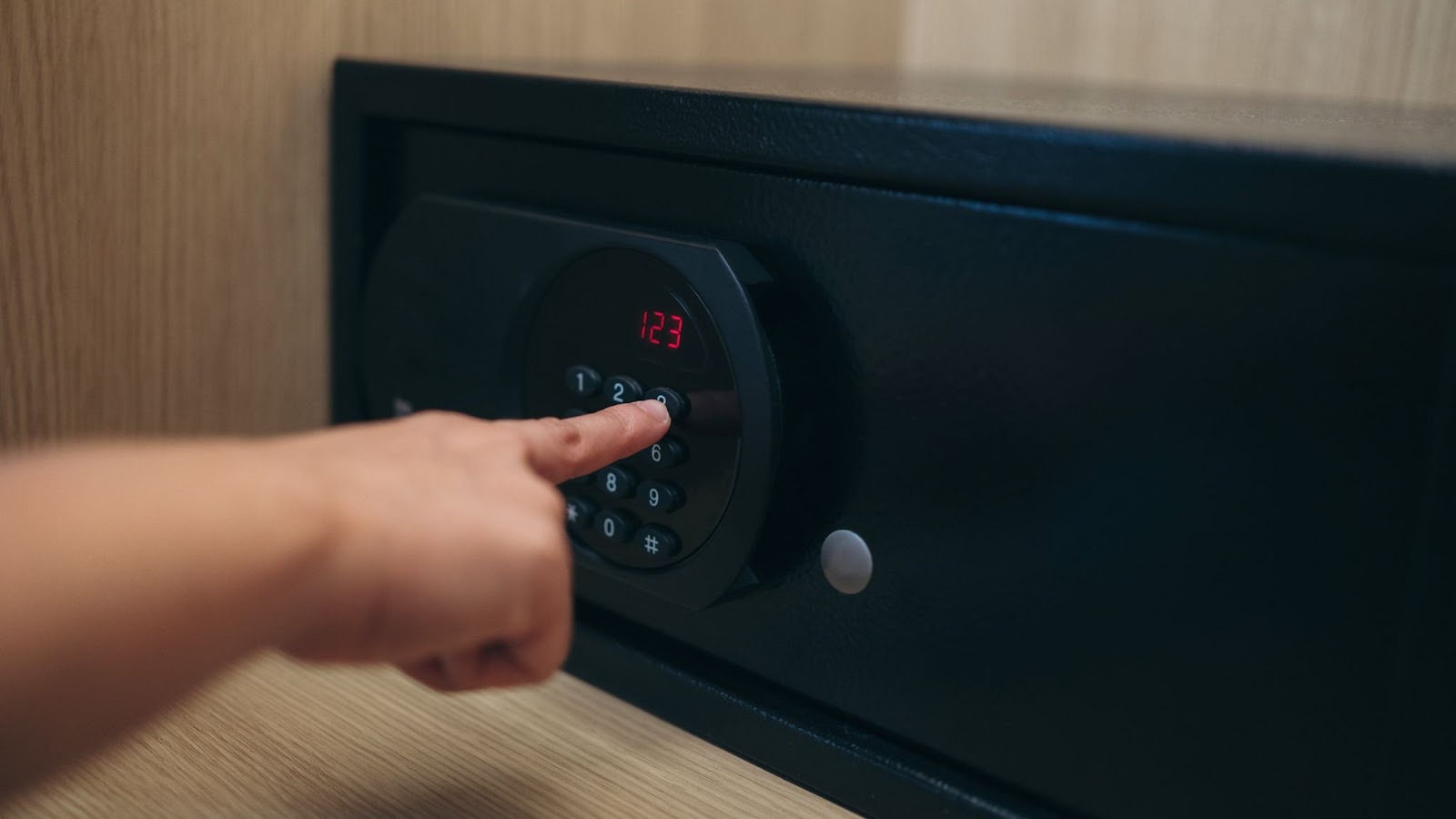
Safe security features to look for

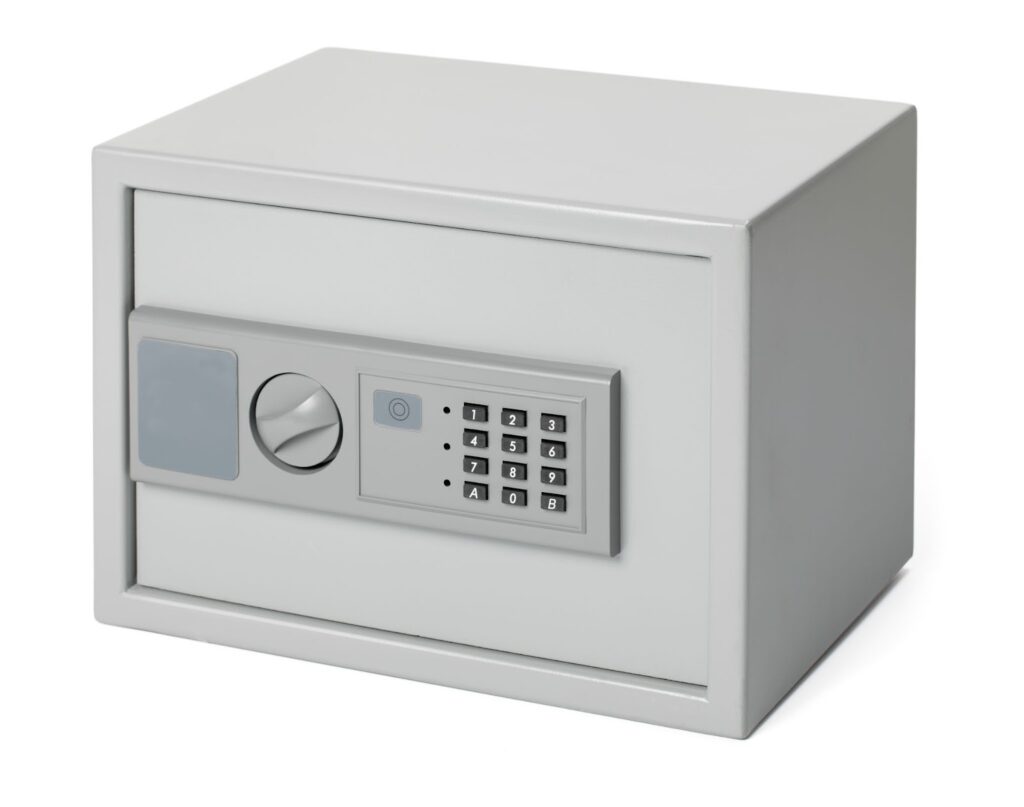
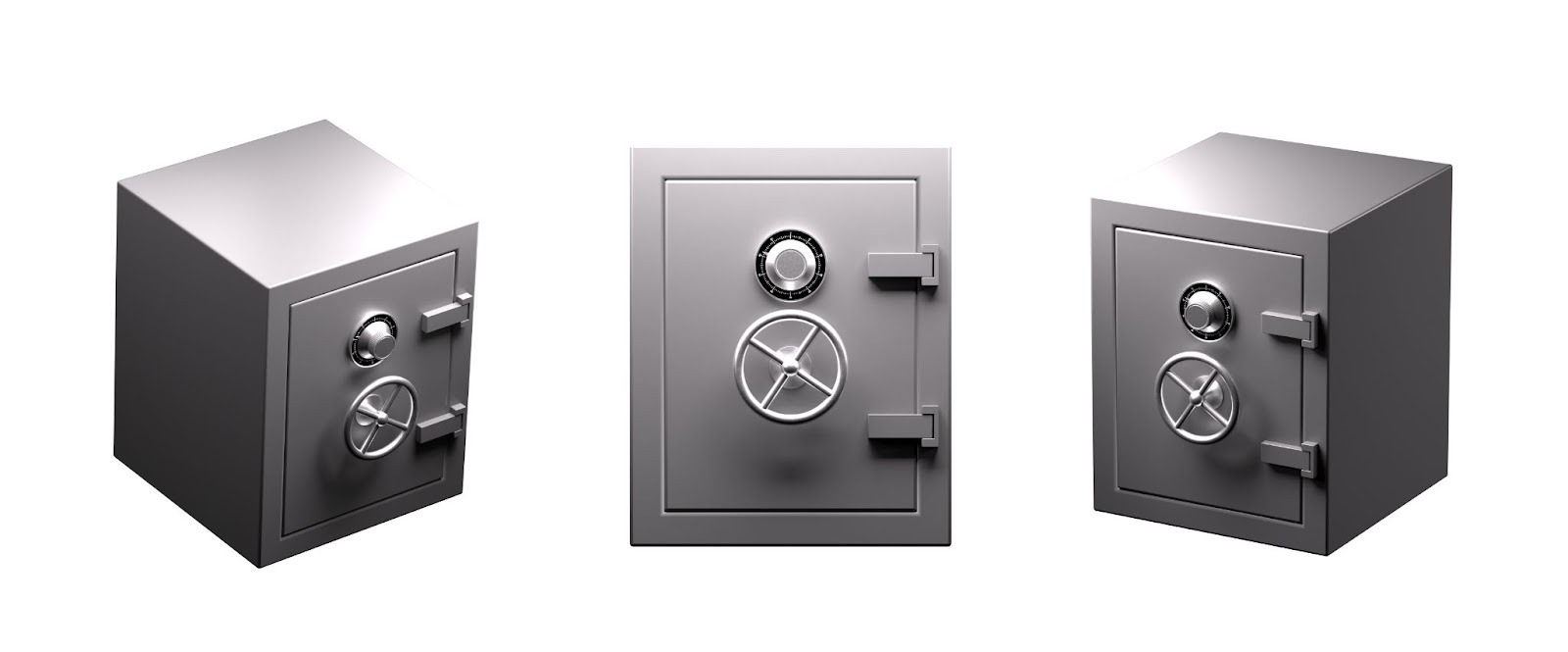
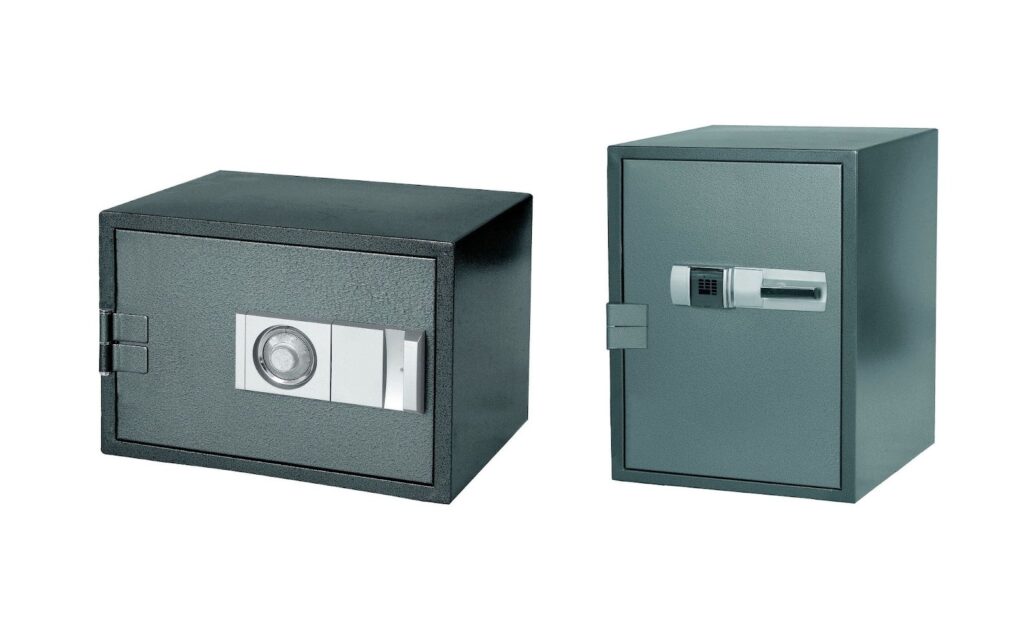
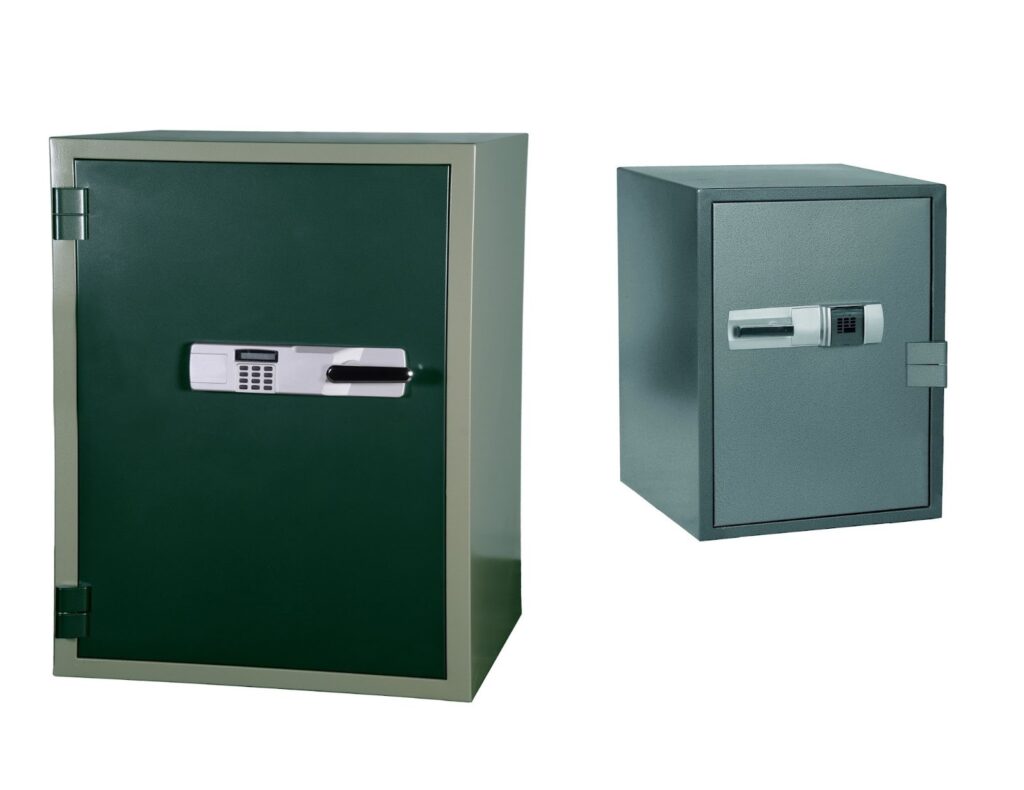
People often underestimate how advanced modern safes have become. Many still imagine a traditional steel box with a keyhole and thick door. But today’s threats—fast burglaries, intense house fires, digital security concerns, and the increasing value of both physical and digital assets—require safes that are smarter, tougher, and built with multiple layers of protection. That is why learning the safe security features to look for is not just helpful; it’s essential.

A surprising number of homeowners and business owners feel completely lost when shopping for a safe. Some don’t know where to begin, while others get overwhelmed by the long list of options: fire ratings, burglary ratings, lock types, steel gauges, relocking devices, smart features, bolt-down holes, and more. Without guidance, they risk buying a safe that only looks secure—but fails when it matters most.

Understanding the most important security features makes the buying process easier, smarter, and stress-free. Once people know what makes a safe genuinely protective—and not just decorative—they can confidently choose a model that matches their needs. Whether someone wants to secure family documents, business cash, firearms, jewelry, digital media, or personal collections, these features help determine the right safe for true peace of mind.

1. Solid Steel Construction: The First and Strongest Line of Defense

When evaluating safes, steel construction is one of the most critical safe security features to look for. Not all steel is created equal, and some safes on the market cut corners by using thin metal sheets disguised as heavy-duty material.

Why Steel Thickness Matters

A safe built with thin steel can be easily bent, drilled, or pried open. Burglars today use tools such as pry bars, screwdrivers, power drills, angle grinders, and even compact cutting tools. The only real defense against these tools is thick, high-quality steel.

Key Construction Elements to Look For

  • Door Thickness: A strong safe typically has a door between ¼ inch to 1 inch thick. Thicker doors make it extremely hard for intruders to force their way inside.
  • Body Thickness: A quality safe should have reinforced steel walls. A safe made from weak sheet metal may keep children out but won’t stop a determined burglar.
  • Continuous Welds: Look for safes with seamless, full perimeter welds instead of spot welds. Continuous welds add significant structural strength.
  • Reinforced Door Frames: These prevent prying attacks and bending attempts.

The strongest safes combine thick steel with heavy-duty engineering, ensuring durability under both burglary attempts and extreme conditions like fire.

2. Advanced Locking Mechanisms: The Technology Behind Secure Access

If the steel is the safe’s body, the lock is the heart. A safe is only as secure as the lock that controls entry. Modern safes offer multiple lock types, each with specific strengths and advantages depending on the user’s lifestyle and security needs.

Digital Electronic Locks
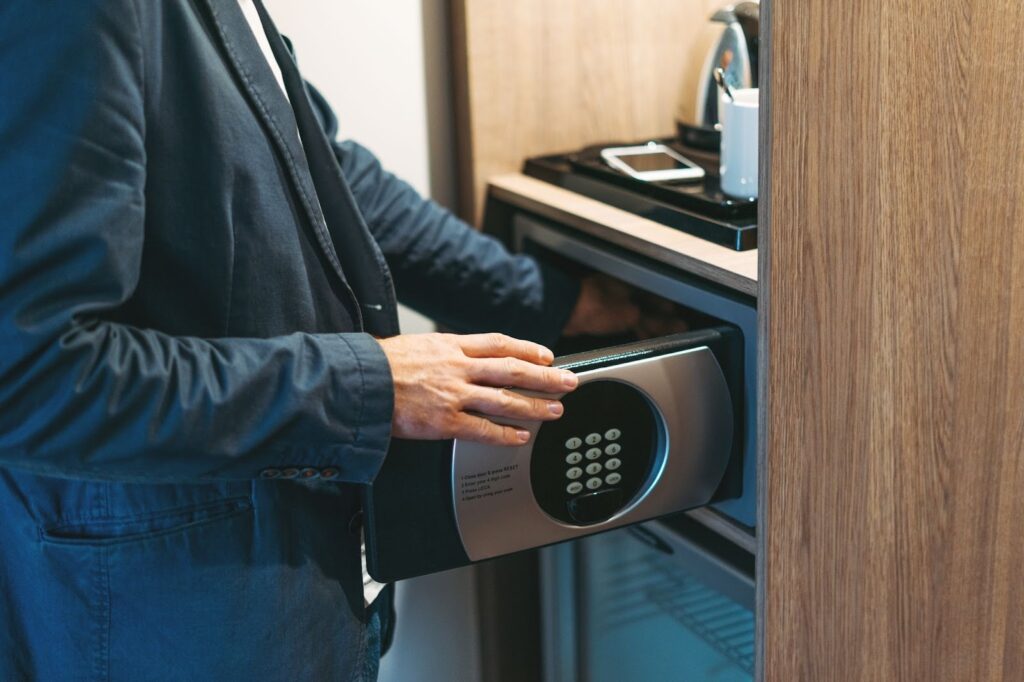
Person opening hotel safe in wooden cabinet.

These are among the most popular today due to their convenience and speed. High-quality digital locks offer:

  • Programmable user codes
  • Time-delay functions for business use
  • Wrong-entry lockout, which freezes the safe after too many incorrect attempts
  • Low-battery alerts
  • Tamper-resistant designs

They’re ideal for homeowners who want easy access without carrying a key.

Mechanical Dial Locks

These classic locks are extremely durable and nearly impossible to hack electronically because they have no electronics at all. People choose them for their:

  • Long lifespan
  • Reliability even during power outages
  • Consistency in performance over decades

They require more time to open but offer unmatched long-term dependability.

Biometric Locks

These use fingerprint scanning technology and are rising in popularity. Their benefits include:

  • Instant access
  • No need for keys or memorized codes
  • Ability to store multiple users’ fingerprints
  • Fast operation during emergencies

Gun owners especially appreciate biometric locks for quick, secure access.

Dual-Lock Systems

Some advanced safes combine two lock types—for example, digital + key or biometric + mechanical. This adds a layer of redundancy for enhanced security.

3. Fire Protection Rating: A Non-Negotiable Feature for Modern Safes

Fire is one of the most devastating threats to valuables. A strong burglary safe is not automatically fireproof, so consumers must check the fire rating before making a purchase.

What Fire Ratings Measure

Fire ratings tell how long a safe can protect its contents during a fire. Look for:

  • 30–60 minutes at 1,200°F for basic home protection
  • 60–90 minutes for important documents
  • Up to 120 minutes for businesses storing contracts, inventory records, or money

Why Fire Protection Matters

During a fire:

  • Metal can warp
  • Plastic melts instantly
  • Paper ignites at around 451°F
  • Hard drives and electronics fail within minutes

A fire-rated safe uses:

  • Insulation layers
  • Fire-resistant seals
  • Expanding door gaskets that seal shut during heat exposure

These details make the difference between total loss and full recovery after a fire.

4. Burglary Rating: Verified Strength and Proven Resistance

Burglary ratings are one of the most important—but often misunderstood—safe security features to look for. Ratings from UL (Underwriters Laboratories) indicate that a safe has passed rigorous testing.

Common Burglary Ratings Explained

  • RSC (Residential Security Container): Basic household protection. Resists common household tools for a limited amount of time.
  • B-Rate: Generally ¼-inch steel door with solid steel body. Offers strong protection for cash, jewelry, and everyday valuables.
  • C-Rate: Higher protection with a ½-inch steel door and thicker walls.
  • TL-15 and TL-30: High-security ratings. Safes with these labels are tested by experts who try to break in using power tools, drills, and cutting equipment for 15 or 30 minutes.

A higher rating means significantly more protection. Businesses, jewelry collectors, and gun owners especially benefit from TL-rated safes.

5. Relocking Mechanisms: Hidden Defenders Inside Your Safe

A relocker is like a secret backup bodyguard inside your safe. It is designed to activate when someone tampers with the lock.

How Relockers Work

When a burglar drills into the lock or tries to punch it out, the relocking device automatically fires and locks the bolts into place. Once triggered, the safe becomes extremely difficult to open—even with the original key or code.

Types of Relockers

  • Mechanical relockers – Triggered by physical tampering
  • Glass relockers – Break upon impact, locking the safe permanently
  • Thermal relockers – Triggered by extreme heat

Relockers are essential in burglary-rated safes and add layers of security that basic safes simply do not offer.

6. Bolt-Down Holes: Preventing Thieves From Stealing the Entire Safe

When burglars cannot break into a safe quickly, they look for the next best option—taking the entire safe with them. That’s why most modern safes come with bolt-down holes for anchoring them securely to the floor.

Why Bolting Down Matters

  • Prevents criminals from removing the safe
  • Adds structural stability
  • Protects your investment
  • Often required for warranty coverage

The strongest safes combine heavy weight with bolt-down capability, making them nearly impossible to move.

7. Live Bolts, Deadbolts, and Multi-Sided Bolting Systems

The quality of the safe’s door bolts determines how difficult it is for an intruder to pry the door open. Modern safes use thick, solid-steel bolts to lock the door tightly against the frame.

Key Bolting Features

  • Live bolts: Move with the lock and secure the door when activated
  • Deadbolts: Permanently fixed and add additional resistance
  • Top, bottom, and side bolts: Prevent prying from any angle
  • Thicker bolts: Typically 1” to 1.5” diameter for maximum strength

A safe with bolts on only one side is easier to pry open. The best models use multi-directional bolting systems to resist attack from all sides.

8. Interior Organization: Making Security Practical and Convenient
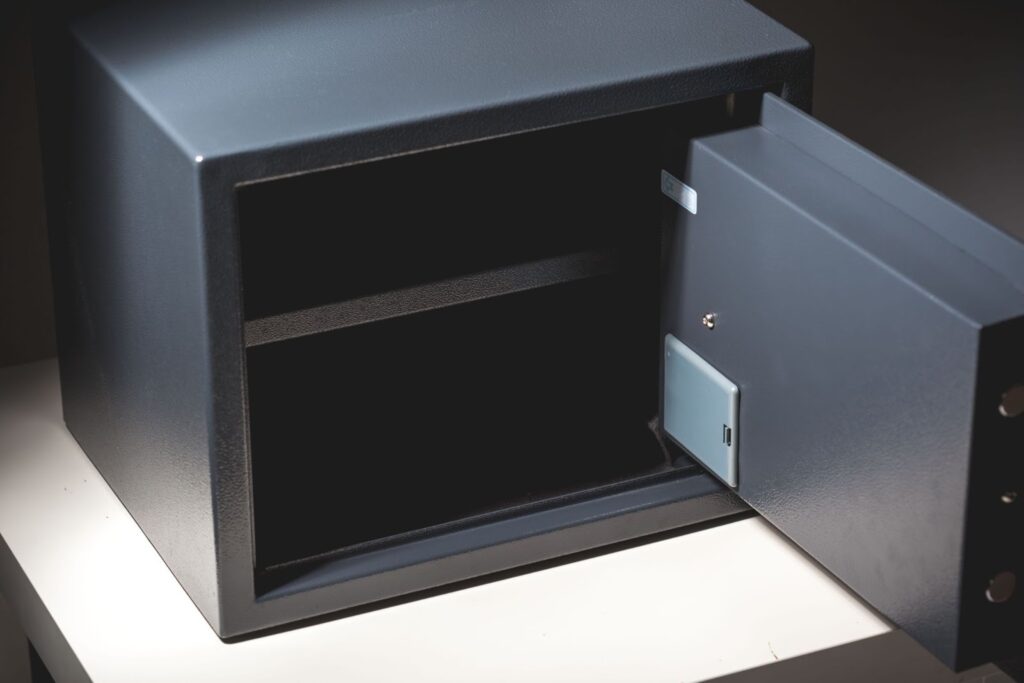
Open empty safe on white surface

A modern safe isn’t just about protection—it should also make storing items easy and organized. A poorly designed interior leads to clutter, damage, and wasted space.

Interior Features to Look For

  • Adjustable shelves
  • Soft felt lining
  • Pull-out drawers
  • Fire-resistant document compartments
  • Gun racks or pistol pockets
  • LED interior lighting
  • Door organizers

These features help users keep items neat and accessible, especially in safes used daily.

9. Moisture and Humidity Protection: Essential for Long-Term Storage

Many people don’t consider moisture damage until it’s too late. Safes that trap humidity can ruin:

  • Documents
  • Electronics
  • Photos
  • Cash
  • Firearms

Moisture-Control Solutions in Modern Safes

  • Built-in dehumidifier ports
  • Dry packs or silica gel canisters
  • Electric dehumidifier rods
  • Airtight fire seals
  • Ventilation-enhancing construction

For gun owners and collectors, moisture control is one of the most important—but often overlooked—safe security features to look for.

10. Smart Features and Modern Technology: The Future of Safe Security

The newest safes are integrating technology to improve access control, monitoring, and user management.

Popular Smart Features

  • Bluetooth or app-based access
  • Audit logs showing who opened the safe and when
  • Time-delay settings to reduce robbery risks in stores
  • Dual-user verification for business accountability
  • Automatic lockout after failed attempts
  • Fire and intrusion alerts on connected models

These features bring safes into the modern century, combining physical and digital security for maximum protection.

How Can Alpine Safes Help You

Selecting the right safe can feel confusing, especially with so many features, ratings, and options to choose from. Alpine Safes makes the process simple. As one of New York City’s most trusted online stores for burglary safes, fire safes, gun safes, business safes, and home safes, Alpine Safes provides expert guidance every step of the way.

Their team helps customers understand exactly which safe security features to look for, based on what they want to protect and where the safe will be used. With reliable brands, competitive pricing, and fast, friendly service, Alpine Safes ensures customers don’t settle for the wrong safe—or the wrong level of protection.

Whether someone needs a safe for their home, business, office, or personal collection, Alpine Safes is committed to helping them secure what matters most. Contact us today for a free consultation.

Frequently Asked Questions

How long do home safes usually last?

A high-quality safe can last for decades if it’s properly maintained and kept in a stable environment. Mechanical locks often last longer than digital ones because they have no electronic parts.

Can a safe be too heavy for a second floor?

Yes, very large or high-security safes can exceed safe weight limits for upper floors. It’s best to check your home’s structural capacity or consult a contractor before installation.

Do insurance companies require a certain type of safe?

Some insurers require a safe with a specific burglary rating, especially for valuable jewelry or business cash. Having a higher-rated safe may also lower insurance premiums.

Should I hide my safe even if it’s already secure?

Yes, hiding a safe adds an extra layer of protection by reducing the chance of criminals discovering it. Concealment slows down intruders and increases the safe’s overall security.
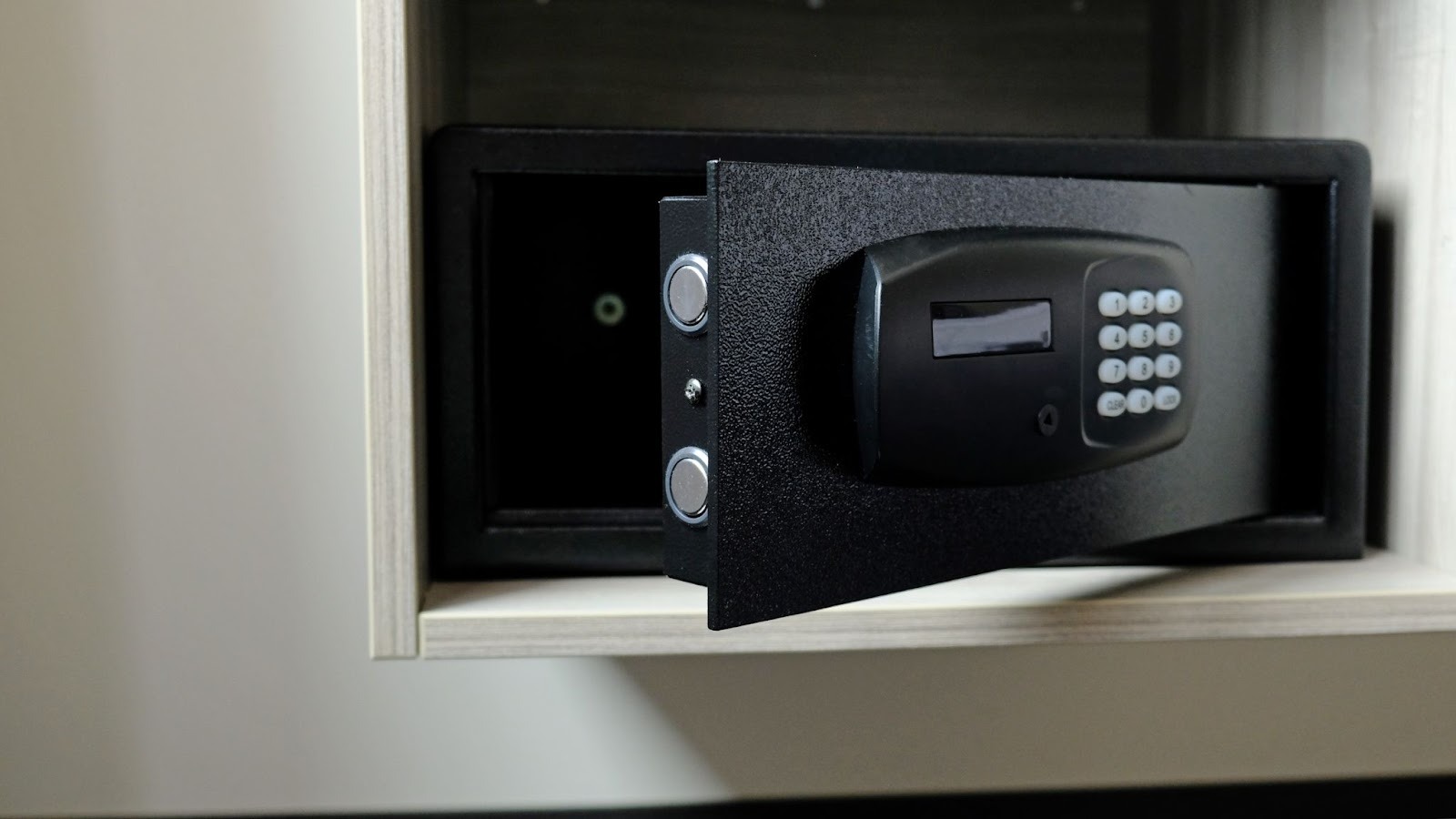
Posted on Leave a comment

Best Safes for Small Business Owners: Protecting Your Assets and Sensitive Documents

Best safes for small business owners

Running a small business today involves juggling many responsibilities—from handling finances and serving customers to managing employees and maintaining daily operations. In the middle of all this, one important aspect often goes unnoticed: keeping your business assets secure. Small business owners install alarms, locks, and cameras to prevent theft, but many fail to think about fire, water damage, or internal misuse that can threaten valuable items just as easily. When vital documents or cash go missing, the financial setback can be devastating.

A secure, high-quality safe is one of the simplest and most effective solutions for protecting a business. The best safes for small business owners are designed to shield cash, legal documents, digital media, inventory records, and even electronics from theft, fire, and accidental damage. These safes provide layers of security that standard filing cabinets, drawers, and boxes simply cannot match. Without a safe, even a minor break-in could lead to major losses, or a sudden fire could ruin years’ worth of critical information.

This guide explores why safes are essential for small business owners, how these safes work, the types available, and how to choose the right one. Whether you operate a retail shop, manage a restaurant, run a clinic, or work as an online entrepreneur, this comprehensive resource will help you make an informed decision. If you have been unsure about why your business needs a safe or which type suits your needs best, all the answers are found here.

Why Small Business Owners Need a Safe

Many small businesses underestimate their risks, thinking that problems like theft, fire, or accidental damage only happen to larger companies. In reality, small businesses are often more vulnerable because they typically have fewer security systems, fewer employees, and fewer layers of protection. This makes owning a reliable safe a crucial part of running a secure and organized operation.

1. Protection from Theft

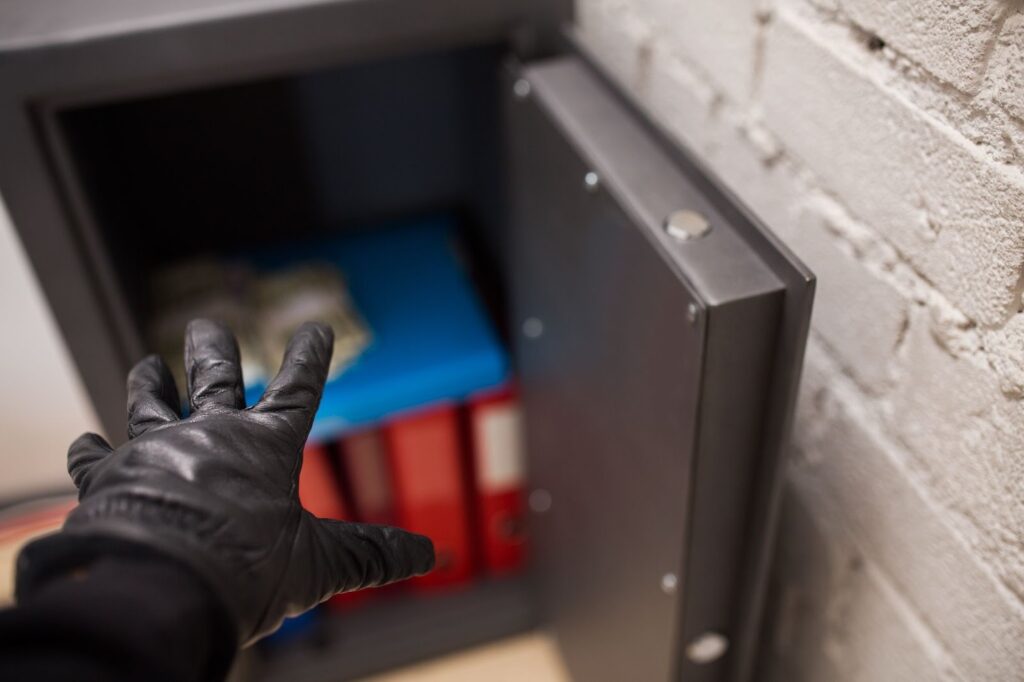
Gloved hand reaching inside open safe.

Small businesses frequently handle cash, checks, and sensitive paperwork. During the workday, this money may sit in cash drawers, bags, or envelopes. After business hours, burglars target these easy-to-access locations because they know small shops often lack advanced security.

A high-quality safe acts as the final barrier between your assets and potential thieves. Modern burglary safes are engineered to resist break-in attempts using:

  • Pry tools
  • Drills
  • Cutting tools
  • Sledgehammers
  • Grinding equipment

Even in the event of a break-in, burglars typically have limited time. A reinforced safe slows them down, making it far less likely that they will access the contents inside. This significantly reduces the risk of loss.

Internal theft is another concern. Without a secure safe, cash and sensitive materials may be easily accessed by unauthorized employees. A safe limits who can reach the contents and creates accountability through restricted access.

2. Defense Against Fire Damage

Fires can erupt unexpectedly from electrical issues, overheating appliances, or even neighboring structures. Once a fire begins, temperatures can rise to more than 1,500°F within minutes. At such high heat, paper burns instantly, electronics melt, and metal warps.

Fireproof safes are designed to maintain a much lower internal temperature to protect items such as:

  • Business permits and licenses
  • Employment forms
  • Tax records
  • Payroll data
  • Legal contracts
  • Financial receipts
  • Lease agreements

Even if a fire spreads through the building, a properly rated safe allows these items to survive long enough for firefighters to control the blaze. Without a fireproof safe, essential documents that your business depends on could be destroyed beyond recovery.

3. Protection for Digital Data and Electronic Devices

Digital storage has become an essential part of running a modern business. Many small businesses store inventory lists, backup files, financial data, and customer information on:

  • USB drives
  • External hard drives
  • POS system backups
  • Laptops or tablets

These items are extremely vulnerable to heat, water, and theft. A fireproof and burglary-resistant safe provides stable internal conditions that protect electronics and data even during emergencies. Many safes are also designed with moisture barriers to prevent damage from water hoses or sprinkler systems.

4. Peace of Mind and Business Continuity

A reliable safe provides more than physical protection—it gives business owners peace of mind. Instead of worrying about what might happen during a break-in or disaster, you can focus on managing and growing your business.

A secure storage system also supports business continuity. If a fire, break-in, or natural disaster occurs, essential documents and data will still be intact. This allows a business to recover quickly instead of facing long-term operational setbacks.

How Business Safes Protect Your Valuables

The best safes for small business owners combine advanced engineering, durable materials, and specialized insulation to ensure maximum protection. Understanding how these safes work makes it easier to choose the right model.

Fireproofing and Heat-Resistant Design

Fireproof safes use insulated fire-resistant materials inside the walls and door. These materials absorb heat and reduce the internal temperature drastically, even when the outside of the safe is exposed to extreme fire conditions.

Fire ratings indicate how long the safe can protect its contents:

  • 30 minutes at 1,550°F
  • 1 hour at 1,700°F
  • 2 hours at 1,850°F

The longer the fire rating, the safer your documents will be. Businesses located in densely built areas or older buildings may benefit from higher-rated safes.

Burglary Protection and Structural Strength

Burglary-rated safes are built using:

  • Thick steel plating
  • Reinforced doors
  • Anti-pry bars
  • Hardened, drill-resistant layers
  • Heavy locking bolts

Some heavier models are made to withstand extended attack attempts. These safes are designed not only to resist force but also to discourage burglars altogether, as they require too much time and noise to open.

Water Resistance

During a fire, large volumes of water may be used to extinguish flames. This water can seep into unprotected containers and soak documents and electronics. Many business safes include:

  • Waterproof seals
  • Water-resistant construction
  • Moisture-blocking insulation

This ensures that your protected items remain dry even under severe conditions.

Secure Locking Mechanisms

Safes designed for business use often include advanced locking systems to control access. These may include:

  • Electronic keypads with programmable codes
  • Biometric fingerprint scanners
  • Dual-authority systems requiring two keys or two codes
  • Time-delay locks to prevent forced openings

These mechanisms are designed to prevent unauthorized access while offering convenience for authorized users.

Types of Safes Recommended for Small Business Owners

Secure digital safe with keypad and dial

Different businesses have different needs, so choosing the right type of safe is essential. Here are the most reliable and commonly recommended safes for small business owners.

1. Depository (Drop) Safes

Depository safes are built for businesses that handle cash throughout the day. These safes feature a drop slot or drawer where employees can deposit money without having access to the interior.

They are ideal for:

  • Retail stores
  • Restaurants and cafes
  • Gas stations
  • Service shops

Benefits include:

  • Reducing employee theft
  • Quick deposits during busy hours
  • Secure storage of cash until it can be transferred to a bank
  • Limited access to the main compartment

These safes are often bolted down under counters or in back offices for added protection.

2. Fireproof Document Safes

Document safes are essential for businesses that store sensitive paperwork. These safes provide:

  • Fire protection
  • Water resistance
  • Organization for folders and files

Professionals who benefit include:

  • Lawyers
  • Accountants
  • Medical offices
  • Architects
  • Real estate agents

Document safes ensure that essential records remain intact even if the rest of the office is damaged.

3. Burglary-Rated Cash Safes

These safes focus on maximum protection against theft. They are built with the thickest steel, hardened plates, and powerful locking systems. Cash safes are excellent for:

  • Jewelry stores
  • High-cash retail
  • Pawn shops
  • Businesses with expensive small inventory

They are often heavier and anchored to prevent removal.

4. Business Filing Safes

These combine a filing cabinet’s organization with the strength of a fireproof safe. They are ideal for offices handling large quantities of paperwork and are often fire-rated for long durations.

5. Smart Safes

Smart safes use technology to improve security and accountability. They may include:

  • Access logs
  • Time-delayed openings
  • Audit trails
  • Deposit tracking systems

These safes are especially useful for managing multiple employees, tight cash control, and stores with extended hours.

How to Choose the Best Safe for Your Business

Choosing a safe is a major investment. To select the right one, consider the following key factors:

1. Identify What You Need to Protect

Different items require different types of protection. For example:

  • Cash requires burglary protection
  • Documents require fire protection
  • Electronics require both fire and impact protection

Listing your priority items is the best first step.

2. Determine Usage Frequency

If you access the safe frequently, choose:

  • Electronic keypads for quicker entry
  • Smart safes for multiple users
  • Drop safes for constant cash deposits

If you need maximum security with minimal access, a mechanical dial lock may be more suitable.

3. Consider Safe Size and Capacity

Think long-term. Businesses often accumulate more documents and valuables over time. Buying a safe that is slightly larger than your current needs is usually a smart choice.

4. Assess Environmental Risks

Your location influences your safe choice:

  • High-crime areas may need heavier burglary safes
  • Fire-prone areas benefit from 1- to 2-hour fire ratings
  • Flood-prone areas require waterproof seals

Understanding your environment helps you make the right decision.

How Can Alpine Safes Help You?

Alpine Safes is committed to providing small business owners with high-quality protection solutions tailored to their needs. As a trusted provider in New York City, Alpine Safes offers reliable safes backed by industry knowledge, competitive pricing, and exceptional customer support.

Here is how Alpine Safes supports small business owners:

  • Extensive Selection of Business Safes: Alpine Safes carries a wide range of burglary safes, fireproof safes, drop safes, filing safes, and smart safes designed for all types of small businesses.
  • Expert Guidance and Personalized Recommendations: Understanding the difference between fire ratings, lock types, and safe categories can be overwhelming. Alpine Safes provides professional consultation to help business owners choose the best unit for their needs and budget.
  • Competitive Prices and Special Offers: Quality safes do not have to be expensive. Alpine Safes offers cost-effective options to ensure business owners get strong protection without overspending.
  • Reliable Customer Support: From pre-purchase questions to post-installation assistance, Alpine Safes ensures customers always have the support they need.
  • Trusted by Thousands of Business Owners: From retail shops to professional offices, countless small businesses depend on Alpine Safes for security and peace of mind.

Small businesses cannot afford to wait until disaster strikes. Investing in a secure safe today can prevent losses tomorrow. Alpine Safes is ready to guide you every step of the way so you can protect your most valuable business assets with confidence. Contact us today for a free consultation.

FAQs About Business Safes

How can I determine which type of safe my business needs?

Start by identifying what items you want to protect. Cash-heavy businesses need drop safes, while offices storing documents require fireproof models. Many small businesses benefit from a combination safe that offers both fire and burglary protection.

Are business safes resistant to both fire and theft?

Many safes are designed with dual protection, offering both fireproof insulation and reinforced steel structures for burglary resistance. Always check the safe’s certification and ratings.

Should my business safe be bolted to the floor?

Yes. Anchoring prevents thieves from removing the entire safe from the premises. Many safes include pre-drilled anchor holes for this purpose.

How long can a fireproof safe protect documents?

Fireproof safes typically provide 30 minutes to 2 hours of protection, depending on the model. Higher ratings are recommended for densely populated or high-risk areas.

Posted on Leave a comment

How to Choose a Safe: A Complete Guide to Finding the Right One for You

How to choose a safe

Finding the right safe can feel overwhelming, especially when every brand claims to offer the “best protection” or the “toughest build.” Many people don’t realize how different safes really are until they start shopping—then suddenly they’re faced with decisions about fire ratings, burglary ratings, steel thickness, lock types, sizes, and installation methods. If you’ve ever opened a website, scrolled through options, and felt lost, confused, or completely unsure of where to start, you’re experiencing what most first-time buyers feel.

This confusion gets even more challenging for small business owners, entrepreneurs, and online creators trying to build their brand. When you’re giving advice to an audience—whether through YouTube, TikTok, Facebook, or your own website—your credibility depends on the choices you make. If you recommend or use a weak, low-quality safe, it doesn’t only jeopardize your valuables; it also affects your reputation. A high-quality safe is more than storage—it reflects responsibility, professionalism, and smart decision-making.

That is exactly why learning how to choose a safe is so important. You don’t need to be a locksmith or a security expert to understand it. You just need clear explanations and guidance that cuts through the noise. This guide breaks down the entire process in simple terms so anyone—yes, even an 8th grader—can understand how to choose the right safe with confidence.

What Does “Choosing a Safe” Really Mean?

Two secure safes, one with digital lock.

Most people think choosing a safe is about picking the strongest or biggest one, but it’s much deeper than that. A safe is designed around a purpose. Some safes protect from fire, others protect from burglary, and some protect from both. Some are meant for quick access, while others are built for long-term secure storage. Some are for homes, others for businesses. That means the “best safe” depends entirely on what YOU need.

When choosing a safe, you’re really deciding:

  • What items matter most to you
  • What dangers those items face
  • How often you need access
  • How much protection you want to invest in
  • Where the safe will be installed

Once you understand these factors, choosing the right safe stops being overwhelming and becomes a logical, step-by-step decision.

Step 1: Identify What You Need to Protect

Every safe purchase starts with identifying what you plan to store. Your items determine the type of protection you need.

Common items people store inside safes:

  • Cash, coins, and currency bundles
  • Jewelry, watches, gold, and precious metals
  • Important documents like birth certificates, passports, vehicle titles, home deeds, and legal records
  • Firearms, ammunition, and accessories
  • Hard drives, USB drives, memory cards, and backup devices
  • Family heirlooms and sentimental keepsakes
  • Business records, contracts, receipts, and payroll envelopes

Each type of item has its own vulnerabilities. For example:

  • Documents burn easily, so they require a fire-rated safe.
  • Jewelry attracts burglars, so theft resistance is essential.
  • Electronics can’t handle high heat, so they need special media-rated fire protection.
  • Firearms must be both secured and accessible, so a gun safe with smart locking is necessary.

If you skip this step, you risk buying a safe that doesn’t fully protect what you need stored.

Step 2: Decide What Threat You Want Protection From

Every safe fights against one or more threats:

1. Fire

House fires can reach temperatures between 1,200°F and 1,800°F. Paper ignites at around 450°F. Hard drives fail at even lower temperatures. Without a fire-rated safe, important items can be destroyed in minutes.

Choose fire protection if you store:

  • documents
  • photos
  • electronics
  • cash
  • certificates

2. Burglary

A burglary-graded safe uses thick steel, heavy doors, reinforced bolts, and advanced locking systems to resist:

  • drills
  • pry bars
  • cutters
  • hammers
  • forced attacks

Choose burglary protection if you store:

  • cash
  • jewelry
  • firearms
  • collectibles
  • luxury items

3. Fire + Burglary Combined

Many people want both. Dual-protection safes are heavier, stronger, and more versatile.

Best for:

  • homeowners
  • businesses
  • small offices
  • content creators with valuable equipment

Understanding the threat helps narrow down your options dramatically.

Step 3: Understand Safe Ratings (Without the Confusion)

Safe ratings help you compare safes using standardized tests. Here’s what they mean in simple terms:

Fire Ratings

Fire ratings tell you how long a safe can keep its interior cool during a fire.

Most common ratings:

  • 30 minutes – basic home protection
  • 60 minutes – recommended for important documents
  • 90 minutes – ideal for higher-risk areas
  • 120 minutes – excellent protection for rural homes
  • 2–3 hours – commercial-grade fire safes

The longer the rating, the more time firefighters have to extinguish the fire before your valuables are damaged.

Burglary Ratings

These ratings measure how well the safe resists break-in attempts.

Simplified rating guide:

  • B-Rated – solid steel, good for home protection
  • C-Rated – stronger steel, better burglary resistance
  • UL RSC – tested against professional tools for 5 minutes
  • TL-15 – can withstand 15 minutes of tool attacks
  • TL-30 – withstands 30 minutes
  • TLTR – resists both mechanical tools AND torches

For most homeowners, B-Rated or UL RSC is enough.
For businesses, TL-15 or TL-30 is ideal.

Step 4: Choose the Correct Safe Type

Here’s what each safe category does:

1. Fire Safes

Designed to protect documents, photos, and paper.
Insulated walls keep the inside cool even when the outside is burning.

2. Burglary Safes

Thick steel, hardened doors, and anti-pry features protect valuables from thieves.

3. Fire-Burglary Safes

A combination safe that protects from both heat and break-ins.

4. Gun Safes

Tall, spacious, and equipped with rifle racks, shelves, and quick-access locks.

5. Home Safes

Compact and perfect for bedrooms or closets.

6. Office or Business Safes

Designed for cash, records, and high-traffic use.

7. Depository Safes

Allow employees or drivers to drop cash through a slot without opening the safe.

Choosing the right type ensures the safe actually does what you need it to do.

Step 5: Think About Size (Almost Everyone Gets This Wrong!)

Two security safes with electronic locks.

A common mistake is choosing a safe that’s too small. People underestimate how quickly their storage needs grow.

General rule:

Pick a safe at least 1.5 to 2 times bigger than you think you need.

Why?
Because eventually you will want to store:

  • new documents
  • additional jewelry
  • more digital files
  • extra cash
  • firearms or accessories
  • sentimental items

A slightly larger safe saves you from upgrading later.

Step 6: Pay Attention to the Locking System

Your lock determines convenience and safety.

Types of Locks:

1. Mechanical Dial

  • Classic
  • No batteries
  • Very reliable
  • Slower access

2. Electronic Keypad

  • Fast entry
  • Easy code changes
  • Runs on batteries
  • Most popular choice

3. Biometric (Fingerprint)

  • Quick access
  • Great for firearm owners
  • Modern and convenient

4. Key Lock

  • Simple
  • Should be paired with another lock
  • Key must be secured separately

Your lifestyle determines which lock fits best.

Step 7: Consider Where You Will Install the Safe

Location impacts both performance and safety.

Best home installation areas:

  • bedroom closet
  • interior walls
  • home office
  • basement (coolest area in house fires)
  • corners of rooms (safer during collapses)

Avoid installing safes in:

  • garages (high fire load)
  • attics (weak floor support, extreme heat)
  • exterior walls (transfer heat faster)

Correct installation is just as important as the safe itself.

Step 8: Don’t Forget About Weight and Construction

Heavier safes are stronger. The weight often reflects:

  • thicker steel
  • more insulation
  • stronger doors
  • reinforced locking mechanisms

A heavy safe discourages burglars and stays stable during fires.

Step 9: Look for Extra Features That Matter

Modern safes come with upgrades that improve safety and usability.

Helpful features include:

  • interior LED lights
  • power outlets
  • adjustable shelves
  • door organizers
  • relocking devices
  • pry-resistant designs
  • fire-activated expanding seals
  • bolt-down holes

These enhancements can significantly affect daily convenience.

Step 10: Avoid the Most Common Safe-Buying Mistakes

Here are the biggest mistakes people make:

Mistake 1: Choosing the cheapest option

Cheap safes cut corners on steel, insulation, and locks.

Mistake 2: Not checking if ratings are certified

Only trust legitimate fire and burglary ratings from UL or ETL.

Mistake 3: Forgetting to measure the interior

The number of “guns” a safe claims to hold is often exaggerated.

Mistake 4: Overlooking humidity

Fire safes trap moisture—use a dehumidifier to protect items.

Mistake 5: Failing to bolt the safe down

An unanchored safe is easy to tip or carry away.

Avoiding these mistakes ensures your safe serves you for decades.

How Can Alpine Safes Help You?

Alpine Safes is trusted across New York City and nationwide for offering high-quality, UL-rated safes at unbeatable prices. Whether you’re securing firearms, documents, jewelry, business cash, or family valuables, Alpine Safes provides expert guidance to help you find the perfect match.

At Alpine Safes, customers get:

  • Trusted brands used by homeowners and businesses
  • Fire, burglary, gun, and office safes at extraordinary sale prices
  • Honest recommendations tailored to your needs
  • Fast and secure shipping anywhere in the U.S.
  • Knowledgeable support that explains everything clearly
  • A wide range of safes for every budget and purpose

Whether you’re a homeowner, business owner, collector, or online creator, Alpine Safes is ready to help you make the smartest security decision possible.

Protect what matters most. Choose a safe with confidence. Choose Alpine Safes. Contact us today.

Frequently Asked Questions

How often should a safe be serviced or maintained?

Most safes should be checked every 1–2 years, especially if they use electronic locks or store high-value items. Regular maintenance ensures the locking mechanism stays reliable.

Can a safe be moved after installation?

Yes, but large or heavy safes may require professional movers to avoid damaging floors, walls, or the safe itself. Always empty the safe before relocating it.

Do safes need ventilation or humidity control?

Fire safes can trap moisture, so it’s recommended to use a dehumidifier rod or silica packs inside to protect documents, guns, and electronics from humidity damage.

Will installing a safe lower my home insurance costs?

Some insurance companies offer discounts for certified burglary-rated safes or for securing high-value items, but it depends on the provider and policy. It’s best to ask your insurer directly.

Posted on Leave a comment

The Ultimate Guide to Choosing Between Floor Safes and Wall Safes

The Ultimate Guide to Choosing Between Floor Safes and Wall Safes

Picking the right safe for keeping your valuable items secure is very important. If you’re thinking about getting a wall safe or checking out floor safes for sale, it’s good to know that both have their own good points and not-so-good points. This guide aims to lay out the benefits and drawbacks of each, so you can figure out which type of safe best matches what you need for your house or business place.

Understanding Floor Safes

Floor safes are a smart pick for those wanting to keep their valuables out of sight. These safes are put into the floor, which makes them tough for thieves to spot and take.

Advantages of Floor Safes

Putting your valuables in a floor safe means they’re tucked away in concrete, making these safes almost impossible to move and very hidden. This setup provides a high level of security. Because they blend into the floor, it’s hard for someone who shouldn’t be looking at your stuff to even know there’s a safe there. This kind of safe is great for keeping important items out of the wrong hands without drawing attention.

Disadvantages of Floor Safes

While floor safes are great for security, putting them in and getting to your items can be tricky. Installing one of these safes often needs a professional and can cost quite a bit. You might need to cut into your floor, which adds to the effort and expense. Also, if you need to get something out of your safe often, you might find it’s not as easy to reach down into the floor compared to a safe that’s at eye level. This could be a bit of a hassle, especially if you’re in a hurry.

The Appeal of Wall Safes

Wall safes stand out for their mix of easy reach and being out of sight, making them perfect for keeping papers and small valuable items.

Benefits of Wall Safes

Wall safes shine by offering both security and ease of access. You can easily hide them behind paintings or mirrors, keeping your valuables out of sight. This means you can grab what you need quickly without compromising on keeping your items safe. The idea here is simple: keep your precious things hidden right under everyone’s nose, but in such a way that only you know they’re there. It’s a smart way to store important documents or items, ensuring they’re both secure and within easy reach whenever you need them.

Limitations of Wall Safes

However, wall safes aren’t without their downsides. One of the biggest challenges is that they tend to have less space inside. This means you might not be able to store larger items or a lot of things at once. Also, if a wall safe isn’t installed correctly, it could be easier for someone to break into compared to other types of safes. Proper installation by a professional is crucial to ensure that your safe is as secure as possible. This ensures that, even though they’re more accessible, wall safes don’t become an easy target for theft.

Installation Considerations

Picking between a floor or wall safe means you need to know how each one gets put into place.

Installing Floor Safes

Putting in a floor safe is not a do-it-yourself job. You usually need someone with skills, especially if the safe has to go into concrete. This kind of work involves cutting into your floor, which can get complicated and messy. Plus, it needs to be done just right to make sure the safe is secure and hidden. This might mean you have to pay more for the installation, but it’s worth it for the peace of mind it brings. Remember, a floor safe is about keeping things hidden and secure, so getting it installed properly is key.

Installing Wall Safes

On the surface, installing a wall safe might seem less complex than a floor safe. However, making sure it’s properly anchored to the wall is super important. If it’s not done right, the safe could be easier to break into or even removed from the wall. You might be able to do some of the work yourself if you’re handy, but for best security, having a professional take a look is a good idea. They can make sure the safe is not only well-hidden but also firmly attached to the wall, keeping your valuables safe.

Cost Analysis

The price you’ll pay for floor and wall safes can differ greatly, influenced by their size, the security features they come with, and what’s involved in setting them up. Whether you lean towards a floor or wall safe, understanding these costs upfront can help you make a more informed decision that aligns with your budget and security needs.

Cost of Floor Safes

Generally, floor safes are on the pricier side due to the complex installation process. This involves significant labor, especially if embedding the safe into concrete, which can significantly increase the overall cost. So, when considering a floor safe, remember to factor in both the purchase price and the installation fees to get a full picture of the investment required.

Cost of Wall Safes

Conversely, wall safes might initially appear more budget-friendly since they often demand less intensive installation work. However, opting for models with advanced security features to enhance protection can elevate the price, potentially making them as costly as floor safes. It’s essential to weigh the initial savings against the desired level of security to find a wall safe that offers both affordability and peace of mind.

Making the Right Choice for Your Needs

Choosing between a floor safe and a wall safe ultimately comes down to what you’re looking to protect, how much security you need, and the ease with which you want to access your valuables. It’s about finding the right balance that fits your lifestyle and security requirements.

Assessing Your Security Needs

Think about the items you plan to store in the safe. Are they documents, jewelry, or something else? The type of items and their value can help you decide on the level of security you need. Also, consider how often you’ll need to access these items. If it’s frequently, you might prioritize ease of access. Your security needs are the foundation for choosing the right safe, so take your time to evaluate what’s most important to you and your family.

Weighing Convenience vs. Security

The choice between convenience and security isn’t always easy. If quick access is a priority, a wall safe might be the way to go, as they’re often easier to reach. However, if you’re more concerned about keeping your valuables as secure as possible, a floor safe’s hidden and robust nature might be more appealing. It’s essential to weigh these aspects carefully. Sometimes, the perfect solution is a balance of both, offering peace of mind without making daily access a hassle.

Securing Your Peace of Mind: Floor or Wall Safes?

Making the best choice for safeguarding your valuables involves thinking about what you’re protecting, how much security it needs, and how you want to use the safe. Floor safes are great for maximum security and staying hidden, hard for anyone unwanted to spot or remove. Wall safes, while easier to access and cleverly concealable, might have less room and need careful setting up. Balancing your desire for quick access with the need for tight security helps ensure your items are kept safe in the most suitable way for you.

Find Your Safe Haven at Alpine Safes
Looking for top-quality safes to protect your precious items? Alpine Safes has got you covered. Located at 1979 Marcus Ave # 210, Lake Success, NY, 11042, we offer a wide range of safes to meet your every need. Whether you’re leaning towards a floor safe for maximum security or prefer the convenience of a wall safe, we have the perfect solution for you. Give us a call at (877) 587-7333 or visit https://alpinesafes.com/ to find out more about how we can help you keep your valuables safe and secure. Don’t wait until it’s too late to think about security. Alpine Safes is here to help you find the perfect safe today.

Posted on

Keep Your Valuables Secure: Installing a Floor Safe Made Easy

Keep Your Valuables Secure: Installing a Floor Safe Made Easy

Securing your valuable possessions at home is essential. One effective method to accomplish this is by installing a floor safe. If you’re considering enhancing your home’s security, you can find various floor safes for sale to meet your needs. Let’s discuss the process of installing a floor safe to ensure the security of your valuables.

Planning Your Installation

Installing a floor safe demands careful planning to ensure its correct installation and alignment with your security requirements.

Assess Your Security Needs

Before initiating the installation process, it’s crucial to assess your security needs thoroughly. Consider what items you intend to store in the safe and evaluate where within your home the safe should be placed. Assessing your security needs will help determine the size, accessibility, and level of protection required from the floor safe.

Choose the Right Safe

Selecting the appropriate floor safe is paramount. Ensure the safe meets your specific requirements in terms of size, security features, and budget constraints. Consider factors such as the dimensions of the items you plan to store, the level of protection needed against potential threats, and the overall layout of your home. By carefully choosing the right safe, you can enhance the security of your valuables effectively.

Preparing Your Space

Before proceeding with the installation of your floor safe, it’s essential to adequately prepare the designated area. Proper preparation ensures a seamless and secure setup process.

Determine the Installation Location

Identifying the optimal location for your floor safe is paramount. Factors such as accessibility and concealment play crucial roles in this decision-making process. Opt for a location that offers easy access for regular use while maintaining discreetness to deter potential intruders. Additionally, assess the surrounding area to ensure there are no obstructions hindering the installation process.

Prepare the Installation Site

With the installation location chosen, it’s time to ready the site. Clear the area of any obstacles or debris that could impede the installation process. Additionally, ensure the floor is suitable for installation, free from any structural issues that may compromise the security of the safe once installed. These preparatory measures lay the foundation for a successful and secure installation.

Installation Process

Let’s look into the step-by-step instructions for correctly and securely installing your floor safe.

Mark and Cut the Opening

To begin, utilize the template provided with your floor safe to mark the designated opening on the floor. Take precise measurements and markings to ensure an accurate alignment of the safe with the opening. 

Once marked, carefully cut out the opening according to the specified dimensions. This step demands meticulous attention to detail and accuracy to ensure a proper fit for the safe within the floor, thereby guaranteeing its stability and effectiveness in safeguarding your valuables.

Secure the Safe in Place

After cutting the opening, proceed to carefully place the floor safe into the prepared space. Confirm that it fits snugly and aligns correctly with the surrounding floor. Once positioned appropriately, secure the safe in place using the provided bolts or anchoring system. It’s imperative to adhere closely to the manufacturer’s instructions to ensure a secure and stable installation. 

Take the time to double-check the alignment and stability of the safe before proceeding further. This meticulous approach ensures that your floor safe is installed correctly and provides the desired level of security for your valuables, offering you peace of mind. By following these steps carefully, you can rest assured that your floor safe will effectively protect your belongings from theft or damage, providing you with the security you need for your peace of mind.

Testing and Finalizing

After the installation, it’s crucial to conduct thorough testing on your floor safe to ensure it functions correctly and meets your security needs.

Test the Lock Mechanism

Begin by assessing the lock mechanism of the floor safe. Verify that it opens and closes smoothly, without encountering any resistance or malfunction. Repeat the testing process several times to confirm the reliability and robustness of the lock. Additionally, inspect the lock for signs of wear or damage that could affect its effectiveness over time. This examination is essential for maintaining the security of your valuables stored within the safe.

Conceal and Finish

Once the lock mechanism has been successfully tested, focus on concealing the floor safe and refining the surrounding area to blend seamlessly with your home’s aesthetics. Use flooring materials that closely match the surrounding floor to minimize the visibility of the safe. Ensure any gaps or seams around the safe are properly sealed to deter unauthorized access. Lastly, refine the surrounding area to ensure the safe blends inconspicuously into its environment, enhancing both its security and the overall visual appeal of your home.

Ensuring Secure Valuables: Installing a Floor Safe Made Simple

In this guide, we’ve outlined the essential steps for installing a floor safe to safeguard your valuables effectively. From planning and preparation to testing and finalizing, each step is crucial for ensuring the security of your possessions. By carefully assessing your security needs, choosing the right safe, and following the installation process meticulously, you can install your floor safe with confidence. Additionally, thorough testing and proper concealment further enhance your valuables’ security while maintaining your home’s aesthetic appeal. With these steps, you can enjoy peace of mind knowing your valuables are secure.

Secure Your Valuables with Alpine Safes Today!
Looking to secure your valuables at home? Visit Alpine Safes at 1979 Marcus Ave., # 210, Lake Success, NY, or call us at (877) 587-7333. Browse our range of floor safes at https://alpinesafes.com/ and safeguard your possessions today.

Posted on

The Importance of Choosing the Right Floor Safe

When it comes to safeguarding your valuables, few things are as crucial as selecting the right floor safe. These discreet yet robust security solutions offer a level of protection that goes beyond traditional safes. Whether you’re securing important documents, jewelry, or other prized possessions, a floor safe provides an added layer of security, keeping your belongings safe from prying eyes and unauthorized access.

Floor safes are designed to blend seamlessly into your home or office, hidden beneath the flooring for enhanced security. This strategic placement not only keeps your valuables out of sight but also adds an extra element of surprise for potential intruders. Now, let’s delve into the world of floor safes and explore why choosing the right one is paramount for your security needs. Ready to weigh your options? Check out some exceptional floor safes for sale at Alpine Safes.

Types of Floor Safes

Understanding Different Types of Floor Safes

When it comes to securing your valuables, floor safes come in various types, each offering unique features to cater to different preferences and needs.

Traditional Dial Combination Safes

Traditional dial combination floor safes are reminiscent of classic security. These safes rely on a mechanical dial that requires the user to turn and align the numbers in a specific sequence to unlock the safe. Known for their reliability and simplicity, these safes are an excellent choice for those who prefer a more traditional approach to security.

Advanced Electronic Keypad Safes

On the other end of the spectrum, we have advanced electronic keypad floor safes. These modern safes incorporate cutting-edge technology with electronic keypads for entry. With PIN codes replacing traditional combinations, these safes offer quicker access and the option for additional security features. Electronic keypad safes are ideal for individuals who value a more tech-savvy and efficient security solution.

Understanding the differences between these two types of floor safes will help you make an informed decision based on your preferences and security requirements. Whether you opt for the classic charm of a dial combination safe or the high-tech convenience of an electronic keypad safe, both provide effective security for your prized possessions.

Considerations Before Buying a Floor Safe

Factors to Keep in Mind When Choosing a Floor Safe

Before diving into the world of floor safes, it’s essential to consider several key factors to ensure you make the right choice for your security needs.

Size and Capacity

One of the primary considerations when selecting a floor safe is its size and capacity. Evaluate the items you plan to store and choose a safe that provides sufficient space without compromising its concealment. A balance between size and concealability ensures that your floor safe meets both your storage and security requirements.

Fire and Water Resistance Features

Beyond mere security, protecting your valuables from unforeseen disasters is equally important. Look for floor safes equipped with fire and water resistance features. These features provide an added layer of defense, safeguarding your belongings in the event of a fire or water-related incident. Investing in a floor safe with these protective features ensures the longevity and safety of your valuables under various circumstances.

Considering these factors will guide you towards a floor safe that not only fits seamlessly into your space but also offers the level of protection needed to keep your valuables secure. Size and capacity ensure practicality, while fire and water resistance features provide comprehensive protection for your cherished possessions.

Installation and Maintenance Tips

Ensuring Proper Installation and Maintenance of Floor Safes

Securing your valuables with a floor safe doesn’t end with the purchase; proper installation and regular maintenance play a vital role in ensuring the longevity and effectiveness of your security solution.

Choosing the Right Location for Installation

Selecting the right location for your floor safe is crucial. Opt for areas with limited foot traffic yet easily accessible for you. Consider concealing it under a rug or furniture for an added layer of secrecy. Ensure the chosen location allows for proper ventilation to prevent moisture buildup, which could potentially affect the contents of the safe.

Regular Maintenance Practices for Longevity

Just like any other security device, floor safes benefit from regular maintenance. Periodically check the locking mechanism, hinges, and bolts for any signs of wear or malfunction. Keep the interior clean and free from debris that could hinder the safe’s functionality. Additionally, lubricate moving parts as recommended by the manufacturer to ensure smooth operation.

By choosing an appropriate installation location and adhering to routine maintenance practices, you not only enhance the security provided by your floor safe but also contribute to its overall durability. Proper care ensures that your floor safe remains a reliable and effective guardian of your valuable possessions.

Security Features to Look For

Key Security Features for Floor Safes

When considering a floor safe for your valuables, understanding the key security features is paramount to making an informed choice. Let’s explore some crucial elements that enhance the protective capabilities of floor safes.

Drill-Resistant Materials

One of the primary security features to look for is the use of drill-resistant materials in the construction of the safe. These materials act as a deterrent against attempts to breach the safe using drilling techniques. A floor safe with drill-resistant properties adds an extra layer of defense, making it more challenging for unauthorized individuals to compromise its integrity.

Additional Security Measures like Biometric Access

In the realm of advanced security, consider floor safes equipped with additional measures such as biometric access. Biometric technology, utilizing fingerprints or retinal scans, provides a personalized and highly secure means of unlocking the safe. This advanced feature not only enhances security but also offers quick and convenient access for authorized users.

By prioritizing security features like drill-resistant materials and advanced access methods, you ensure that your floor safe is equipped to thwart various unauthorized entry attempts. Investing in these features adds an extra level of protection, providing you with peace of mind regarding the safety of your valued possessions.

How to Evaluate Your Security Needs

Assessing Your Personal Security Requirements

Before finalizing your decision on a floor safe, it’s crucial to conduct a self-assessment of your personal security needs. Understanding your specific requirements will guide you towards a floor safe that aligns perfectly with your expectations.

Identifying Valuables to Store

Begin by identifying the types of valuables you intend to store in the floor safe. Whether it’s important documents, jewelry, or other prized possessions, having a clear inventory of what you plan to secure will help determine the size and features required in a floor safe. This assessment ensures that the safe you choose accommodates your specific storage needs.

Customization Options for Personalized Security

Consider floor safes that offer customization options for personalized security. Some safes allow users to set unique access codes, providing an extra layer of exclusivity. Others may have adjustable shelving or compartments to cater to different storage requirements. By opting for a floor safe with customization options, you tailor the security solution to fit your specific preferences and enhance the overall effectiveness of your chosen safe.

Evaluating your security needs is a critical step in finding the perfect floor safe. By identifying the valuables you plan to store and exploring customization options, you ensure that the chosen safe not only meets but exceeds your expectations for secure storage.

Safeguard Your Valuables: Check Out Our Floor Safes for Sale Now!

Wrapping up our look into floor safes, it’s evident that picking the right one requires careful thought. From understanding the types of floor safes to checking security features and comparing different brands, your choice directly impacts the safety of your most prized possessions.

Before you go, we recommend checking out the variety of floor safes for sale at Alpine Safes. Situated at 1979 Marcus Ave #210, Lake Success, NY, US, Alpine Safes offers a selection of high-quality floor safes to meet diverse security needs. Whether you prefer traditional dial combination safes or advanced electronic keypad options, we have you covered.

If you have any questions or need assistance, don’t hesitate to call us at (877) 587-7333. Our knowledgeable team is ready to help you find the perfect floor safe that aligns with your security requirements. Strengthen your peace of mind by investing in a reliable and secure floor safe from Alpine Safes today.

Remember, protecting your valuables starts with making the right choice. Visit https://alpinesafes.com/ to view our varieties and take a significant step towards securing what matters most to you.

Posted on

Investing in Peace of Mind: The Importance of a Quality Safe

In today’s uncertain times, the security of your valuable possessions is more important than ever. A high-quality safe is not just a purchase; it’s an investment in peace of mind and protection. Whether safeguarding family heirlooms, important documents, or business assets, knowing what to look for in a safe is crucial.

With the convenience of online shopping, it’s never been easier to find the right fit for your security needs. When you’re ready to buy safe online, it’s essential to arm yourself with knowledge to make the best choice.

The Advantages of High-Quality Safes

Investing in a high-quality safe brings a multitude of benefits that go beyond basic security measures. The assurance that comes with knowing your valuables are protected is invaluable. High-quality safes offer superior theft deterrence and environmental protection, standing as silent guardians over your most precious items.

Deterrence Against Theft

The primary function of a safe is to protect against theft, and high-quality safes excel in this area. They are constructed with reinforced steel and often feature tamper-proof technology that makes unauthorized access nearly impossible. The mere presence of a robust safe can be enough to deter potential thieves, as it signifies that breaking in would require significant time and effort, increasing the risk of being caught.

Furthermore, quality safes come with complex locking mechanisms that can range from traditional combination dials to high-tech biometric systems. These locks are not just difficult to crack but are also designed to withstand lock picking, drilling, and other common methods of forced entry. For the sophisticated burglar, a high-quality safe represents a formidable challenge, often discouraging the attempt in the first place.

Fire Resistance and Environmental Protection

Another significant advantage of investing in a quality safe is the level of fire resistance it offers. Many top-tier safes are rated to withstand extreme temperatures, protecting your valuables from fire damage for a specified period, which can range from 30 minutes to over an hour at temperatures reaching up to 1700°F or higher. This fireproofing is achieved through insulated layers that keep the internal temperature of the safe at a level that preserves its contents.

In addition to fire, quality safes are often built to offer protection against other environmental factors such as water damage. With reinforced seals and water-resistant materials, these safes can protect against flooding or the water used in firefighting efforts. Such environmental protections are essential for documents, electronic media, and other sensitive items that could be damaged or destroyed by exposure to the elements.

Safety Standards and Certifications to Consider

When it comes to selecting a safe, understanding the various safety standards and certifications can make all the difference. These benchmarks are set by industry experts and are designed to guide consumers in choosing a safe that meets stringent security and durability requirements. Knowing what these ratings and certifications mean is a crucial step in the purchasing process.

Understanding UL Ratings for Safes

Underwriters Laboratories (UL) is a globally recognized organization that provides safety-related certifications, validation, testing, inspection, auditing, advising, and training services. When a safe boasts a UL rating, it indicates that the model has been thoroughly tested for its ability to resist various types of break-in attempts and withstand extreme conditions.

UL ratings for safes include:

  • TL-15 and TL-30: These ratings imply that the safe can resist a typical burglary attack for 15 to 30 minutes using common tools.
  • TRTL-30: This higher rating means the safe can resist a torch and tool attack for at least 30 minutes.
  • TXTL-60: This is one of the highest ratings, indicating the safe can withstand an hour of a torch and explosive attack.

Understanding these ratings helps consumers gauge how well a safe will stand up under duress and allows them to choose a safe that fits their security needs.

Selecting the Right Size and Capacity

Choosing the correct size and capacity for your safe is as important as the security features it offers. The size of the safe you choose should reflect both your current needs and accommodate any future requirements. It’s not just about fitting in what you currently have; it’s also about anticipating future valuables and documents you may wish to secure.

Matching Safe Size to Your Storage Needs

Begin by taking an inventory of the items you plan to store in your safe. This could range from jewelry, cash, and important documents, to larger items like firearms or cameras. Ensure there’s enough room to organize these items without crowding, as this can compromise accessibility and even the security of the contents.

When considering the size, also think about the safe’s interior configuration. Some safes come with adjustable shelves and drawers, which can be a significant advantage if your storage needs may change over time. Remember that the external dimensions of the safe don’t always reflect the internal storage capacity due to the walls’ thickness and construction materials, so always check the interior dimensions.

Future-Proofing Your Safe Investment

While a safe should meet your current needs, it’s also a long-term investment. Think about what your future requirements might be. Are there any significant life events on the horizon that could affect the type of valuables you’ll need to protect? Whether it’s an expanding business, a growing family, or collecting items of value, consider how your inventory may grow.

Choosing a slightly larger safe than you currently need can save you from the cost and hassle of needing to upgrade in the future. Additionally, some safes offer modular interior options or add-ons that can adapt to your changing needs, providing an effective way to future-proof your investment.

Brand Reputation and User Reviews

Selecting a safe from a reputable brand is just as crucial as any technical specification. The reputation of a safe manufacturer can speak volumes about the quality and reliability of their products. When shopping for a safe, considering user reviews can also offer genuine insights into the performance and durability of the safes you’re considering.

Navigating Brands: Reliability Matters

Reputation and history in the industry are telling indicators of a brand’s commitment to quality. For instance, AMSEC (American Security) is known for its robust security features and has a longstanding presence in the market, offering a variety of safes, including gun safes and high-security models. Gardall has also established a strong reputation for both commercial and residential safes, with an emphasis on fire protection.

Hollon Safe, with its array of offerings from gun safes to burglary safes, is recognized for their “overbuilt” philosophy, providing more security and features at competitive pricing. Hayman Safes, a family-owned brand, is often praised for their attention to detail and customer service, with a focus on both fire and burglary protection.

Each of these brands has distinct features and product lines, such as:

  • Gun Safes: Designed to store firearms securely, often featuring specialized racks, locks, and fire protection.
  • High-Security Safes: Constructed with superior materials and locks, these safes are intended to protect against sophisticated burglary attempts.
  • Burglary Safes: These typically come with reinforced metal and complex locking mechanisms aimed at deterring break-ins.
  • Fire Safes: Constructed to withstand high temperatures, protecting valuables from fire damage.

Leveraging User Reviews for Informed Decisions

While brand reputation is vital, user reviews can be equally influential. These reviews often contain real-world experiences and scenarios that may not be apparent in a product description. They can also shed light on the long-term reliability of the safe, customer service experience, and actual performance in burglary or fire incidents.

For the brands mentioned, taking the time to read user reviews on gun safes, high-security safes, burglary safes, and fire safes can reveal common themes. For example, positive reviews of AMSEC safes often highlight their reliability and advanced features, while Gardall reviews may point to their exceptional fire resistance. Hollon Safe reviews might emphasize their solid construction and value for money, whereas Hayman reviews could draw attention to personalized customer service and dependable fire protection.

Final Words:

The Keystone of Security Investment

As we’ve navigated the various facets of investing in a quality safe, the resounding themes have been the importance of security, the assurance of certifications, and the personalization of features to suit your needs. A high-quality safe is more than a purchase—it’s a commitment to protecting what’s invaluable: family heirlooms, important documents, or business assets.

Remember, the cornerstone of a reliable safe is its ability to stand as the protector of your peace of mind and a steadfast guardian of your valuables. From the robust construction of brands like AMSEC and Gardall to the specialized offerings of Hollon and Hayman, including gun safes and fire-resistant options, the right choice aligns with accredited safety certifications and user-validated trust.

In the search for a safe that offers these essential qualities, consider Alpine Safes. Located at 1979 Marcus Ave # 210, Lake Success, NY 11042, we are your security guardians, offering a curated selection of safes that meet the highest standards of safety and excellence. Our commitment is to ensure that your valuables are protected with industry-leading solutions that do not compromise on quality or features. Connect with us at (877) 587-7333 or visit our website at alpinesafes.com to explore our range. For inquiries or guidance on selecting the safe that’s right for you, email us at info@alpinesafes.com. Choose Alpine Safes, where your peace of mind is our priority, and safeguarding your valuables is our expertise.

Posted on

Choosing the Right Safe for Your Needs: The Ultimate Guide

Securing your valuable assets is a priority, and choosing the right safe plays a pivotal role. But with the vast number of choices available, how do you determine which is the best fit for your needs? Whether you’re a first-time buyer or looking to upgrade, this guide aims to simplify your decision-making process. If you’re looking to buy safes online, Alpine Safes is your trusted source. Let’s dive in.


Understanding Different Safe Types

The world of safes can seem complex, especially with the vast array of types available. To make the right choice, it’s essential to first understand the main categories and their specific uses. This will ensure that the protection you opt for aligns seamlessly with your requirements.


Home Safes vs. Business Safes

Home Safes:
Home safes are primarily designed to protect personal belongings, from important documents to heirlooms. Often compact, they can be easily tucked away in closets or under beds. Their focus is usually on fire protection, theft deterrence, and privacy.

  • Benefits:
    • Provides quick access to essential items like passports, cash, or jewelry.
    • Typically more budget-friendly than larger business safes.
    • Many are fire-rated to protect irreplaceable documents.

Business Safes:
Businesses have different security needs. Often holding substantial amounts of cash, important documents, or sensitive information, business safes are constructed robustly to deter potential burglaries.

  • Benefits:
    • Higher cash ratings, making them ideal for retail settings.
    • Larger in size, catering to the needs of commercial entities.
    • Advanced locking mechanisms, including time delay or dual key systems.

Which to Choose?
For homeowners, a home safe typically suffices. However, business owners, especially those in retail or dealing with sensitive data, should consider the added security features of a business safe.


Specialty Safes: Gun, Document, Jewelry & More

Gun Safes:
As the name suggests, these are tailored for firearm storage, ensuring they remain out of unauthorized hands. Often larger, they may feature slots or racks for multiple weapons.

  • Features: Fireproofing, pry-resistant doors, and quick access locks for emergencies.

Document Safes:
Vital for homes and businesses alike, these safes protect crucial papers from fire and water damage.

  • Features: Fire-rated walls, water seals, and convenient sizes for paper storage.

Jewelry Safes:
For those with valuable jewelry collections, these safes offer compartments and drawers tailor-made for different types of jewelry.

  • Features: Velvet-lined drawers, customizable compartments, and high-end locking mechanisms.

Why Specialty Safes?
Every valuable has unique storage needs. A one-size-fits-all approach can often compromise security. Specialty safes cater to the specific requirements of the items you’re protecting, ensuring optimal safety.


Evaluating Safe Security Levels

The security level of a safe largely determines its effectiveness in protecting your valuables. To make an informed choice, delve into the intricacies of locking mechanisms and the construction of the safe itself.


Digital vs. Mechanical Lock Safes 

Digital Lock Safes: Digital lock safes provide a modern and often more user-friendly access method, utilizing a keypad and personal identification number (PIN) for entry.

  • Pros: Quick access, easy to change codes, and often allows for multiple user codes.
  • Cons: Reliant on power (either battery or electrical), and potential vulnerability to electronic malfunctions.

Mechanical Lock Safes: Mechanical lock safes utilize a traditional dial and require the user to enter a combination by turning the dial to specific numbers in a certain sequence.

  • Pros: No reliance on power, often more resistant to wear and tear, and renowned for their reliability.
  • Cons: Typically slower to open and may be challenging to use for those unfamiliar with dial combinations.

Choosing the Right Safe: The decision between a digital and mechanical lock safe should be influenced by your specific use-case scenarios, potential need for quick access, and willingness to manage a power source (for digital locks) or to remember a combination (for mechanical locks). Both lock types have their own merits and potential drawbacks, and understanding these will enable you to select a safe that aligns with your security needs and usage preferences.


Construction and Anti-Theft Features

Steel Thickness:
The gauge of steel used impacts a safe’s resistance to break-ins. A lower gauge number indicates thicker steel, enhancing security.

Door Construction:
Look for doors that are pry-resistant and feature multiple bolts for enhanced protection.

Anchoring:
Safes that can be anchored to floors or walls deter thieves, as removing them becomes a hefty task.

Tamper Alarms:
Some safes come equipped with alarms that sound if tampering is detected, alerting you to unauthorized access attempts.


Importance of Fire & Water Protection

Environmental hazards, like fire and water, pose as much risk to your valuables as theft. Hence, when choosing a safe, it’s imperative to consider its resistance to these elements. Doing so ensures that your cherished items are safeguarded against unpredictable calamities.


Fire Ratings: What They Mean and Why They Matter

What are Fire Ratings?
Fire ratings indicate the amount of time a safe can endure extreme temperatures without the inside exceeding a set temperature, usually 350°F, which is the point at which paper starts to char.

Common Ratings:

  • 1/2-Hour Fire Rating: Protects contents for up to 30 minutes in a fire.
  • 1-Hour Fire Rating: One of the most popular choices, offering protection for an hour.
  • 2-Hour Fire Rating: Provides extended protection, ideal for environments prone to larger fires.

Why They Matter:
The aftermath of a fire is devastating. Having a fire-rated safe ensures that even if everything else is lost, your most crucial documents and valuables remain intact. This protection becomes essential for irreplaceable items like wills, deeds, and sentimental keepsakes.


The Importance of Choosing the Right Safe Lock Mechanism

The Significance of a Reliable Lock: Choosing the right lock for your safe is pivotal in ensuring the security of your valuables. The lock type can influence ease of access, security level, and overall user experience.

Digital Locks: Digital locks are modern, electronic locks that require a PIN for access. They allow for easy changes to the code and often feature options for multiple user access.

  • Pros: User-friendly, option for multiple codes, and battery or power-operated.
  • Cons: Dependence on power sources and potential electronic malfunctions.

Mechanical Locks: Mechanical locks operate without the need for batteries or electronic interfaces, often using a dial that must be rotated to the correct sequence of numbers to unlock.

  • Pros: Reliable, no need for power sources, and durable over time.
  • Cons: Can be slower to open, especially in stressful situations, and may require maintenance to ensure longevity.

Why Lock Type Matters: Selecting between digital and mechanical locks comes down to considering your specific needs, such as the desired security level, ease of access, and any potential maintenance or power issues. Understanding these aspects will guide you towards making an informed decision that ensures the safety and accessibility of your valuables.


Location & Installation Considerations

When investing in a safe, where you place it and how it’s installed are equally vital as its features. Proper placement ensures discreetness, while effective installation guarantees the safety of your treasures. Let’s delve into the nuances of safe positioning and the importance of professional installation.


Floor Safes vs. Wall Safes: Which is Better?

Floor Safes:
Installed into the ground, these safes are often concealed under rugs or furniture. They offer excellent protection against theft due to their hidden nature and the difficulty in removing them.

  • Pros: High security, concealability, and great for storing bulk items.
  • Cons: Limited access, potential water damage in flooding situations.

Wall Safes:
Embedded into walls, they’re usually hidden behind paintings or bookshelves. Their raised positioning offers protection from flood damage.

  • Pros: Good for easy access, elevated protection from water, and discreet.
  • Cons: Limited storage capacity, installation complexity in certain walls.

Verdict:
The choice between floor and wall safes often depends on what you’re storing, your access frequency, and potential environmental hazards. Floor safes offer bulk storage and robust theft deterrence, while wall safes provide easy access and protection from water.


Professional Installation: Why It’s Crucial

Ensuring Safe Security:
An incorrectly installed safe defeats its purpose. Professionals ensure that safes, especially those that are wall-mounted or embedded in floors, are secure and cannot be easily removed.

Guarding Structural Integrity:
Professionals assess the viability of the chosen location, ensuring that installing the safe won’t compromise the structural integrity of your property.

Expert Recommendations:
Installation professionals can provide valuable insights on the optimal location for concealment and accessibility based on your home or business layout.

Why It’s Non-Negotiable:
Think of a safe as an investment. The best safe can be rendered ineffective with poor installation. Trusting professionals means you’re not just buying a product; you’re investing in an expertly integrated security solution.


Final Words & Call to Action:

Your assets are irreplaceable, and selecting the right safe ensures they remain protected from theft, fire, or water damage. Remember, a safe isn’t just a storage box; it’s an investment in peace of mind. At Alpine Safes, our expert Safe Locksmiths understand the intricacies of the industry.

For top-notch safes from reputable brands, contact Alpine Safes at:

  • Address: 1979 Marcus Ave # 210, Lake Success, NY
  • Phone: (877) 587-7333

Safeguard your valuables with the best. Choose Alpine Safes.