




Safe Fire Ratings Explained: Understanding How to Choose the Right Fireproof Safe
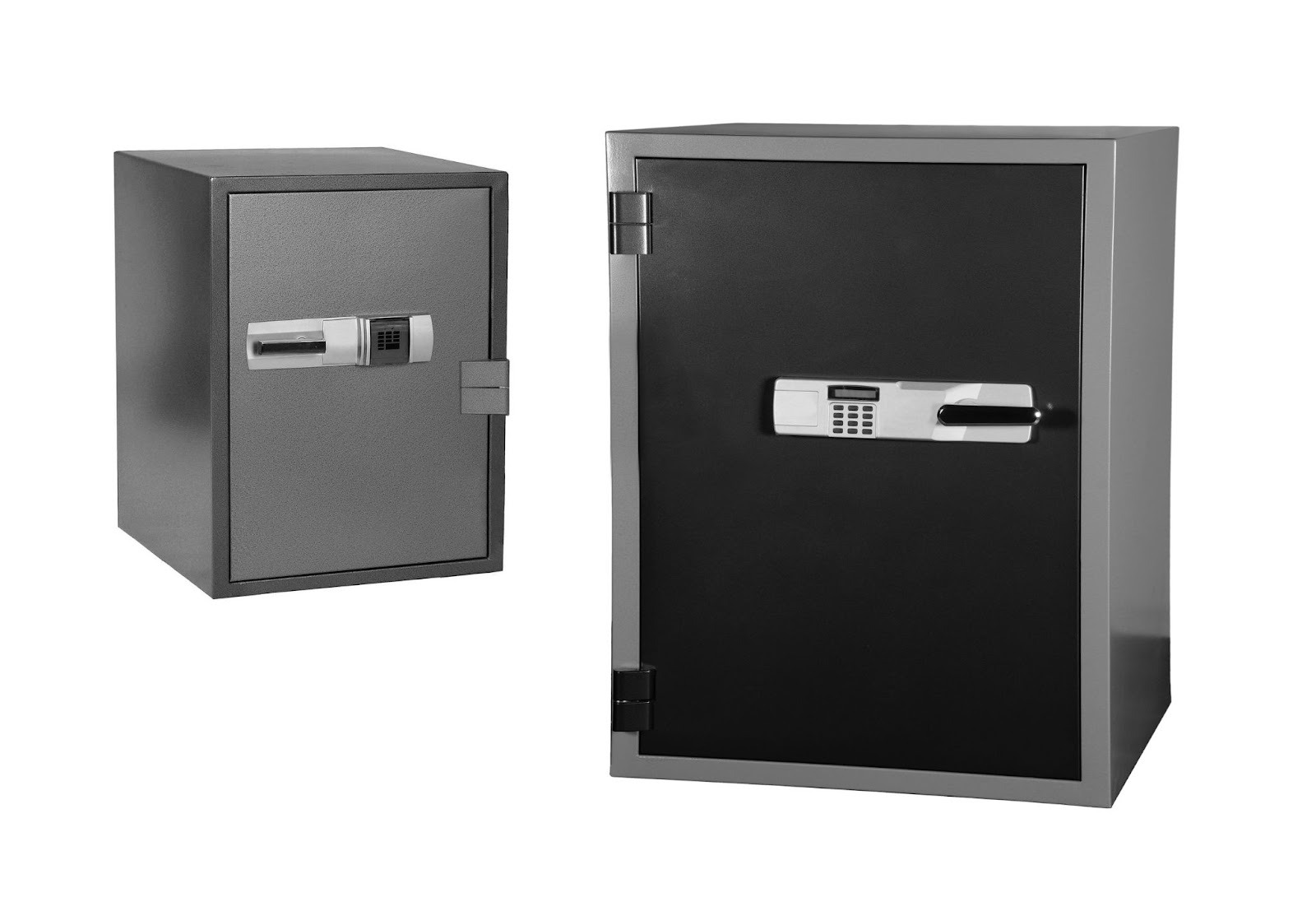
Many people buying a fireproof safe believe that all safes work the same way in a fire. They assume any safe labeled “fireproof” will protect their documents and valuables no matter what. Unfortunately, that’s far from the truth. Fireproof safes are not equal, and the differences can mean the difference between saving irreplaceable items or losing everything inside.
At Alpine Safes in New York City, a lot of customers arrive confused or overwhelmed because of the technical terms they see online. They see code-like labels such as UL 350, Class 125, 60-minute fire rating, ETL certified, and more—but no one explains what these terms actually mean in a simple, understandable way. Most buyers just want to protect their valuables, yet all the numbers make the process feel intimidating.
This article was written to solve that problem once and for all. With safe fire ratings explained in clear, everyday language, any reader—whether a homeowner, a business owner, a renter, or someone purchasing their first safe—will feel confident choosing the right fireproof safe. The goal is to help buyers understand both the science behind fire ratings and the practical steps to pick the exact safe they need.
What Is a Fire Rating, and Why Should You Care?
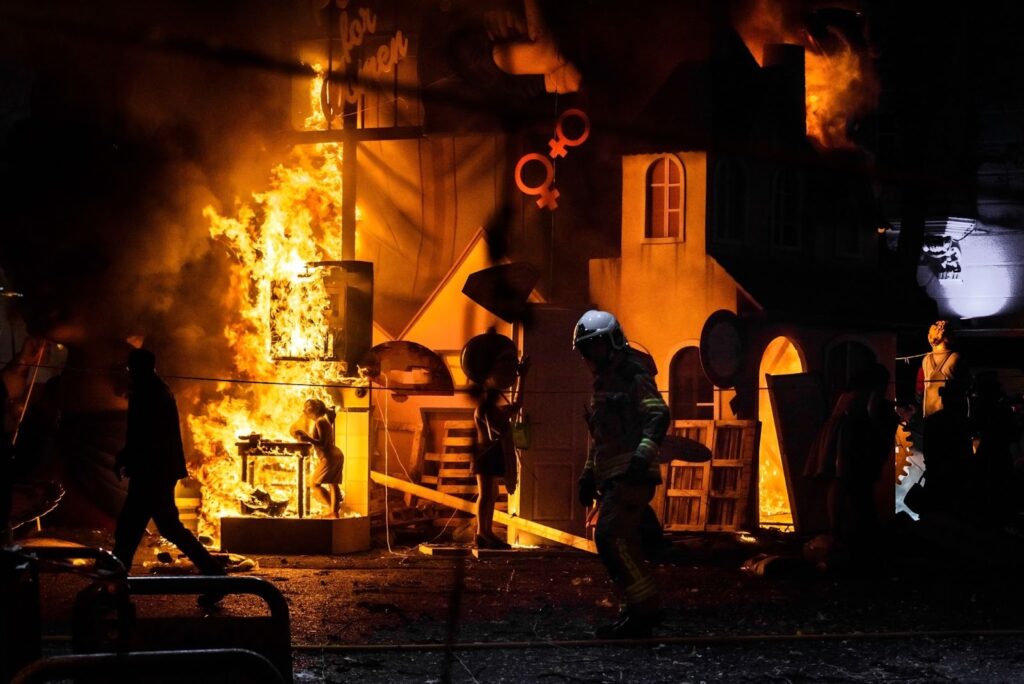
A fire rating tells you how long a safe can protect its contents when exposed to extreme heat. Fire ratings are measured by time—such as 30 minutes, 60 minutes, 90 minutes, or 120 minutes.
Understanding fire ratings matters because:
- House fires can reach temperatures of 1,100°F to 1,800°F.
- High heat travels through metal even before flames touch the safe.
- Important documents can be ruined long before a fire is put out.
- Not every fireproof safe is built to protect the same items.
Fires don’t burn evenly. Some rooms ignite quickly and burn hotter than others. Heat can build inside a safe even if flames never touch it directly. Without the correct fire rating, valuables stored inside may become brittle, melt, burn, or smoke-damaged.
A fire rating is your guarantee. It tells you exactly how long the safe can prevent internal temperatures from rising to dangerous levels. Without it, choosing a fireproof safe becomes nothing more than educated guessing and hoping for the best.
Why Fire Ratings Aren’t All the Same
Not all fire ratings are created equal because different safes use different construction methods and materials. Fire ratings are earned through testing—real, measurable testing that simulates an actual structural fire.
Trusted organizations that perform these tests include:
- UL (Underwriters Laboratories)
- ETL (Intertek Testing Services)
These groups place safes inside furnaces that reach extreme temperatures similar to real fires. They monitor internal temperatures, perform cooldown tests, and sometimes even drop the safes to simulate building collapse. Only safes that pass all parts of the test earn an official certification.
Some inexpensive safes purchased online use vague labels like “fire resistant” without any real certification. These may offer little to no meaningful protection. When it comes to protecting irreplaceable items, certifications matter.
At Alpine Safes, every fireproof safe recommended to customers has a UL or ETL rating to ensure it provides real, tested protection.
Common Fire Ratings and What They Mean
Here are the most common fire ratings you’ll find—and what each rating means for someone choosing a safe.
30-Minute Fire Protection (Entry-Level)
A 30-minute rating protects paper documents for half an hour in a fire. While not ideal for all situations, it works for:
- Small apartments
- Minimal paperwork or cash
- Areas close to fire stations
- Temporary document storage
Most fires burn for 30 to 60 minutes, so a 30-minute safe provides limited protection but is better than no protection at all.
60-Minute Fire Protection (Standard for Homes)
A 60-minute fire rating is the most recommended option for homes. This level of protection is strong enough for most residential fires.
It protects items such as:
- Birth certificates
- Passports
- Contracts
- Photos
- Cash and jewelry
In New York City—where buildings are close together and fire can spread quickly—a 60-minute safe is considered the minimum level of protection.
90-Minute Fire Protection (Enhanced Protection)
A 90-minute safe provides even greater protection thanks to thicker insulation and better construction. This level is preferred by people storing:
- Estate documents
- Financial papers
- Watches and jewelry
- Firearms and ammunition
- Collectible items
If you live in a location that might have delayed fire response or a building with complex structure, 90 minutes is a very secure choice.
120-Minute Fire Protection (High-Level Protection)
Two-hour fire-rated safes offer strong protection and are often chosen by:
- Law firms
- Accounting offices
- Medical clinics
- Corporate offices
- Serious collectors
This level of fire protection helps ensure documents and valuables stay intact even in intense, long-lasting fires.
3–4 Hour Fire Protection (Maximum Grade)
This rating is used by institutions that cannot afford to lose documents under any circumstances. Examples include:
- Banks
- Museums
- Historical archives
- Government offices
These safes are extremely heavy, highly insulated, and built to withstand extended fire exposure.
Fire Ratings vs. Burglary Ratings
A major mistake many buyers make is assuming a fireproof safe automatically protects against theft. Fire protection and burglary protection are not the same.
Fire Safes
Fire safes are primarily built to protect against heat. They use insulating materials inside the walls to slow the transfer of heat. They are not always built with thick steel, so their burglary protection is limited.
Burglary Safes
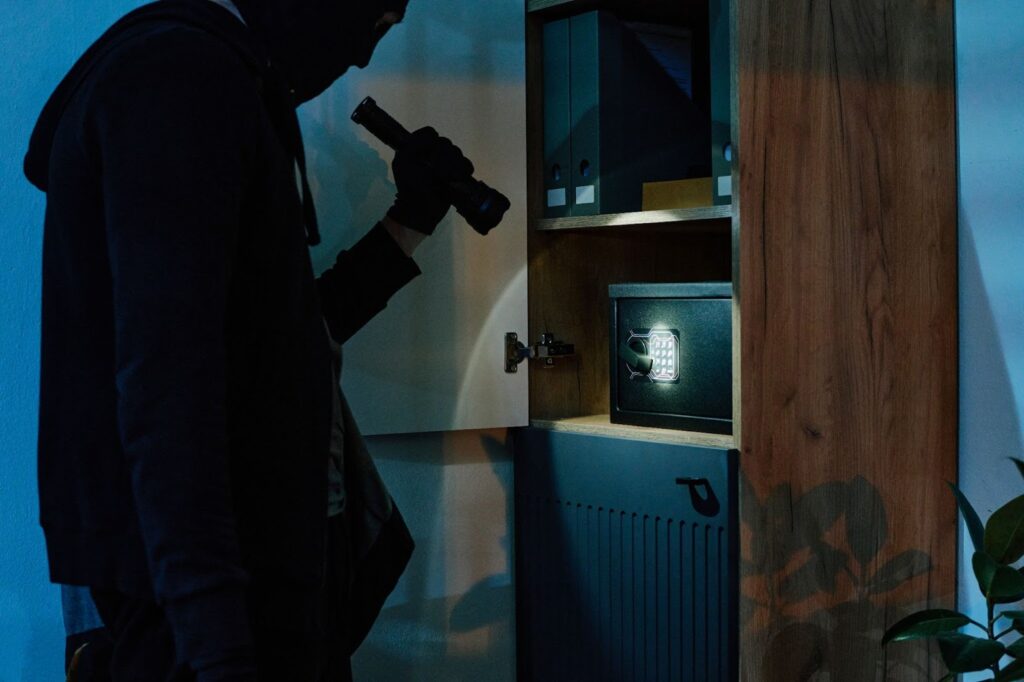
Burglary safes are designed to resist break-ins. They have:
- Thick steel walls
- Strong locking bolts
- Pry-resistant doors
- Reinforced frames
However, many burglary safes offer little to no fire protection unless they specify both features.
Combination Fire and Burglary Safes
These offer the best of both worlds and are ideal for:
- Homeowners who store cash and jewelry
- Business owners with sensitive paperwork
- People storing firearms
- Families protecting irreplaceable keepsakes
Combination safes are popular in New York City because residents want protection from both fire and theft in one unit.
What Different Items Need for Fire Protection
Different items stored inside a safe require different levels of internal temperature control.
Paper Documents
Paper begins to burn at 451°F, but it can turn brown and become damaged at just 350°F. That’s why paper documents need Class 350 fire ratings.
Suitable items include:
- Birth certificates
- Financial documents
- Contracts
- Letters
- Insurance files
- Cash
Digital Media
Digital media is much more sensitive than paper. Hard drives, USBs, CDs, and SD cards can be permanently damaged at just 125°F. These require Class 125 or Class 150 safes.
Digital items include:
- External drives
- Photographs
- Client records
- Video recordings
- Backup data
Storing digital media in a paper-rated safe is risky because internal temperatures can easily exceed what digital items can tolerate.
Jewelry and Valuables
Jewelry can withstand higher temperatures, but the materials holding gems in place may melt or loosen. Valuable items need a safe with both fire and burglary protection.
Firearms
Gun safes with fire ratings protect weapons from heat damage and prevent ammunition from rupturing. A 60- to 120-minute fire rating is recommended.
UL and ETL Fire Ratings Explained
Understanding UL and ETL labels is one of the most important parts of choosing a fireproof safe.
UL (Underwriters Laboratories) Ratings
UL is the industry’s top standard for safe testing. UL fire tests are extremely strict and include:
- Exposure to temperatures exceeding 1,700°F
- Maintaining a stable internal temperature
- Monitoring humidity levels
- Explosion tests
- Cool-down evaluation
- Drop tests that simulate collapsing floors
UL ratings include:
- UL 72 Class 350 (for paper)
- UL 72 Class 150 (for photos, tapes)
- UL 72 Class 125 (for digital media)
A UL rating is highly trusted by insurance companies and safe experts.
ETL (Intertek) Ratings
ETL follows similar testing procedures and is especially common for home safe models. ETL certification means the safe was tested independently, not by the manufacturer.
Any safe with UL or ETL certification provides legitimate fire protection.
How to Choose the Right Fireproof Safe
Choosing the right safe becomes simple when following these three questions:
1. What are you storing?
- Paper documents → Class 350 safe
- Digital media → Class 125 or 150 safe
- Valuables → Fire and burglary safe
- Firearms → Fire-rated gun safe
2. How long do you need protection?
Recommended:
- Homes in NYC: at least 60 minutes
- High-value homes: 90–120 minutes
- Businesses: 120 minutes or more
3. Where will the safe be placed?
Different rooms heat differently during fires:
- Basements remain cooler but may flood
- Bedrooms heat quickly during fires
- Closets offer extra insulation
- Offices may store heat-sensitive items
Placement matters more than most buyers realize.
Local NYC Considerations When Choosing a Fireproof Safe
New York City has unique conditions that affect safe selection:
Older Buildings Burn Hotter
Many NYC buildings were constructed decades ago, meaning they contain older wiring and materials that can intensify fires.
High-Density Construction
Buildings are close together, allowing fires to spread rapidly from one unit to another.
High-Rise Fire Behavior
In tall buildings, heat rises quickly—upper floors experience higher temperatures.
Businesses Store More Records Than They Realize
Even small businesses have a surprising amount of sensitive data:
- Payroll
- Contracts
- Client files
- Tax records
- Insurance documents
Losing those to a fire can cost thousands of dollars.
How Can Alpine Safes Help You?
As a trusted source of high-quality burglary safes, fireproof safes, gun safes, and business safes in New York City, Alpine Safes makes safe shopping simple and stress-free. Customers never have to feel lost or confused.
Here’s what Alpine Safes offers:
- Expert Guidance: Every customer receives personal help choosing the right fire rating, safe type, and internal layout. No guesswork—just clear explanations.
- Certified Safes Only: All safes are UL or ETL certified. Alpine Safes never sells untested, uncertified products with questionable performance.
- Products for Homes and Businesses: Whether storing important family documents or protecting business records, Alpine Safes has a wide range of fireproof and burglary safes.
- Affordable Pricing: As an established online retailer, Alpine Safes offers competitive pricing on premium safes while maintaining top quality.
- Fast Shipping Across NYC: Purchases are packed carefully and delivered quickly and securely.
- Friendly, Reliable Support: The Alpine Safes team is available to answer questions, recommend products, and assist before and after purchase.
Protect your valuables today—before an emergency happens.
Visit AlpineSafes.com to explore fireproof safes designed to keep your documents, valuables, and digital records protected from fire, theft, and the unexpected. Contact us today for a free consultation.
Frequently Asked Questions
Can a fireproof safe survive a house fire if it falls through the floor?
Most certified fireproof safes can survive a fall during a fire if they have passed a drop test, but not all models include this feature—always check for a UL-rated drop test when buying.
Do fireproof safes protect against water damage during firefighting?
Many fireproof safes also offer water resistance, but not all do; look for safes labeled as “waterproof” or “water-resistant” to protect items from sprinkler systems or hose water.
How often should a fireproof safe be replaced?
Fireproof safes typically last 15–25 years, but if the safe has been exposed to fire, impacts, or major moisture, it should be replaced immediately.
Can I store cash in any fireproof safe?
Cash requires a burglary-rated fire safe because high heat can destroy banknotes and fire-only safes may not protect against theft.